Homemade tortilla wraps are soft, thin flatbreads that can turn simple ingredients into an easy breakfast, lunch, dinner, or snack. A freshly cooked flour tortilla should be flexible enough to fold around chicken, beef, vegetables, eggs, beans, cheese, or salad without cracking. This easy tortilla wraps recipe uses basic pantry ingredients and a straightforward cooking method, making it practical even if you have never prepared homemade tortillas before.
The secret to making soft homemade tortilla wraps is not a complicated ingredient list. Good results depend mainly on preparing a soft dough, kneading it until smooth, giving it enough resting time, rolling each portion thinly, and cooking the tortillas quickly on a properly heated dry pan. Overcooking is one of the main reasons homemade tortillas become dry or hard, so short cooking times are especially important.
This recipe produces approximately 10 to 12 medium tortilla wraps, which is a convenient amount for family meals, packed lunches, chicken wraps, breakfast wraps, or homemade burritos. The tortillas can be prepared in advance and reheated when needed. Once you understand the basic dough and cooking technique, homemade flour tortillas become an incredibly useful recipe to keep in your regular meal rotation.
Why Make Homemade Tortilla Wraps?
Store-bought wraps are convenient, but homemade tortilla wraps give you greater control over texture, thickness, and size. You can roll them thin for light lunch wraps, make them slightly larger when preparing burritos, or divide the dough into smaller portions for snack-sized tortillas. The basic recipe is versatile enough to work with many different meals without requiring special equipment.
Another advantage is the short ingredient list. The basic dough contains all-purpose flour, salt, baking powder, vegetable oil, and warm water. There is also an optional small amount of melted butter that can replace some of the oil when a richer flavor is preferred. Extra flour is used only as needed during rolling to prevent the dough from sticking.
Making tortillas at home also allows you to serve them warm directly from the pan. Freshly cooked tortillas are particularly soft when they are immediately stacked and covered with a clean kitchen towel. The trapped warmth and moisture help keep each tortilla flexible while you finish cooking the remaining pieces.
What Makes Tortilla Wraps Soft and Flexible?
A good tortilla wrap needs enough flexibility to fold around a filling without splitting. Several steps contribute to that texture. First, the dough needs enough moisture. A very dry, stiff dough usually produces tortillas that are harder to roll and more likely to become dry after cooking. Warm water should therefore be added gradually until a soft, manageable dough develops.
Oil also contributes to tenderness. The vegetable oil is mixed through the flour before the water is fully incorporated, helping create a softer finished flatbread. Baking powder provides additional tenderness, while salt ensures that the tortillas have enough flavor even before fillings or sauces are added.
Kneading and resting are equally important. Kneading develops the dough’s structure, while resting allows that structure to relax. This combination creates dough that can be rolled thinly without constantly pulling itself back into a smaller shape. Finally, brief cooking on a hot surface prevents too much moisture from escaping.
Preparing the Tortilla Dough
Start by placing the all-purpose flour in a large mixing bowl. Add the salt and baking powder and mix thoroughly so both ingredients are evenly distributed throughout the flour. Even distribution is important because you do not want concentrated areas of salt or baking powder in individual tortillas.
Add the vegetable oil to the dry mixture. Work it into the flour until the mixture begins to resemble coarse crumbs. Distributing the fat throughout the flour at this stage helps contribute to the tender consistency expected from a homemade flour tortilla. If using the optional melted butter, it can replace some of the oil as described in the original recipe.
Warm water should be introduced gradually rather than poured in all at once. Begin with a portion of the water and mix. Continue adding small amounts until the dry ingredients come together into a soft dough. Flour can absorb water differently depending on the brand, storage conditions, humidity, and measuring method, which is why the listed one cup is approximate rather than an amount that must automatically be used in full.
How the Tortilla Dough Should Feel
Texture is one of the most useful indicators when preparing homemade tortillas. The finished dough should feel soft and supple without being extremely sticky. It should not feel hard, crumbly, or unusually stiff. A dry dough can be difficult to roll thinly and may produce tortillas that crack instead of bending around a filling.
If the mixture remains dry after kneading begins, add warm water in very small quantities. A teaspoon at a time is safer than pouring in a large amount because it is easier to add moisture than to correct an overly wet dough. If the dough becomes excessively sticky, a small amount of flour can be incorporated.
Avoid adding large quantities of additional flour simply because the dough feels slightly soft. Too much flour can produce dry tortillas. The goal is a dough that can be handled and rolled comfortably while still containing enough moisture to remain tender after cooking.
Why Kneading Is Important
Once the dough has come together, knead it for approximately 6 to 8 minutes. Kneading changes a rough mixture into a smoother, more elastic dough that is easier to divide and roll. Press the dough forward with the heel of your hand, fold it back, rotate it, and continue repeating the motion.
During the first few minutes, the surface may look uneven or slightly rough. As kneading continues, the dough should gradually become smoother. This improvement in elasticity is important because each tortilla eventually needs to be rolled into a thin circle without tearing easily.
Do not judge the dough only by the clock. Six to eight minutes provides a useful guide, but the texture is equally important. When properly kneaded, the dough should be noticeably smoother and softer than when you started.
Resting the Dough for Softer Tortillas
After kneading, shape the dough into a ball and keep it covered. The original recipe recommends a resting period of at least 20 to 30 minutes, while approximately 45 minutes can make the dough even easier to roll. Do not skip this stage simply to save time because resting directly affects how manageable the dough becomes.
While the dough rests, its gluten structure relaxes. Dough that has just been kneaded can resist the rolling pin and repeatedly shrink back toward its previous shape. Once rested, it becomes much easier to stretch into a thin tortilla without excessive force.
Keep the dough covered throughout the resting period. Leaving it uncovered can cause the outside to dry, forming a skin that makes rolling more difficult. A clean kitchen towel or covered bowl works well for protecting it while it rests.
Dividing and Shaping the Tortillas
Once rested, divide the dough into approximately 10 to 12 equal portions for medium tortilla wraps. Try to make each portion similar in size so the finished tortillas are reasonably consistent. Roll each piece between your palms to create a smooth ball and keep all the remaining dough balls covered while you work.
If the portions are left exposed for too long, their surfaces may begin drying. This can make the edges crack during rolling. Keeping the dough covered is a simple step, but it can noticeably improve the finished texture.
The original method also allows some flexibility in tortilla size. Larger portions can be used for bigger wraps, while smaller portions can create snack-sized tortillas. For the standard recipe card, however, dividing the dough into 10 to 12 pieces gives the intended medium-sized wraps.
How to Roll Thin Tortilla Wraps
Place one dough ball on a lightly floured work surface and flatten it gently. Dust it with just enough flour to stop it from sticking. Using a rolling pin, work outward from the center while rotating the dough periodically. This makes it easier to maintain a roughly circular shape.
For medium tortillas, aim for approximately 7 to 9 inches in diameter. They should be thin enough to fold comfortably but not so thin that holes appear. Perfectly round tortillas are not necessary for good results, especially when making them at home. Thickness and flexibility matter much more than creating an exact circle.
Avoid covering the surface with excessive flour. Extra flour can remain on the tortilla and burn when it reaches the hot pan. It can also contribute to a drier finished wrap. Use only the amount necessary to prevent sticking.
What to Do If the Dough Keeps Shrinking
One common problem when making homemade flour tortillas is dough that repeatedly shrinks after being rolled. This usually indicates that the dough needs more resting time. Instead of forcing it into shape with the rolling pin, cover the dough and allow it to rest for another 5 to 10 minutes.
After additional resting, the dough should become more cooperative and easier to roll. This is another reason the original resting period is important. Properly rested dough requires less effort and makes it easier to achieve the thinness needed for flexible wraps.
Working gently also helps. Repeated aggressive rolling can make the process unnecessarily difficult. Roll from the center outward, rotate the tortilla, and continue until it reaches the required diameter.
The Correct Pan Temperature
Homemade tortillas should be cooked on a dry skillet, heavy frying pan, cast-iron pan, or tawa. Place the pan over medium-high heat and allow it to become properly hot before cooking the first tortilla. There is no need to add oil to the cooking surface.
Pan temperature has a major effect on tortilla texture. If the surface is not hot enough, the tortilla must remain in the pan longer to cook. The extended cooking time allows more moisture to escape, potentially creating a dry tortilla. If the pan is excessively hot, dark burnt areas can appear before the center has cooked sufficiently.
Medium-high heat is a practical starting point, but every stove and pan behaves differently. Watch how the first tortilla cooks and adjust the heat if necessary. Small bubbles and scattered golden-brown spots are good signs that the temperature is close to correct.
How to Cook Tortillas Without Making Them Hard
Carefully place a rolled tortilla onto the hot, dry pan. Cook the first side for approximately 20 to 40 seconds. Small bubbles should begin appearing on the surface, while the underside develops a few light golden-brown spots.
Flip the tortilla and cook the second side for approximately 15 to 30 seconds. If needed, turn it once more very briefly to finish cooking. The aim is not to create a crisp or heavily browned flatbread. A wrap needs enough softness to bend and roll without breaking.
Avoid the temptation to continue cooking simply because you want more brown color. Excessive cooking is one of the easiest ways to turn a soft tortilla into a hard one. Remove it once it is cooked and has developed a few characteristic brown spots.
Keeping Fresh Tortillas Soft
The moment a tortilla comes off the pan, place it inside a clean kitchen towel or covered container. Add each newly cooked tortilla to the stack and keep everything covered while you continue working. This traps a small amount of natural steam around the tortillas and helps maintain their soft texture.
Leaving freshly cooked tortillas uncovered allows moisture to escape quickly. Even tortillas that initially feel soft may become firmer as they sit exposed. Covering them immediately is therefore an important part of the recipe rather than merely a serving suggestion.
Once all the tortillas are cooked, they can remain covered until you are ready to prepare the wraps. Their warmth and flexibility make freshly prepared tortillas particularly easy to fill and fold.
Filling Homemade Tortilla Wraps
One of the strongest advantages of homemade tortilla wraps is their versatility. The source recipe suggests using them with chicken, beef, eggs, beans, chickpeas, cheese, lettuce, tomatoes, cucumber, onions, cabbage, carrots, bell peppers, corn, cooked vegetables, and different sauces. This allows the same basic tortilla recipe to work for many different meals.
For a simple chicken wrap, cooked seasoned chicken can be combined with crisp vegetables, cheese, and sauce. Beef provides another hearty filling, while beans and cheese can create a satisfying meat-free option. Eggs, cheese, tomatoes, and vegetables can turn the same tortillas into convenient breakfast wraps.
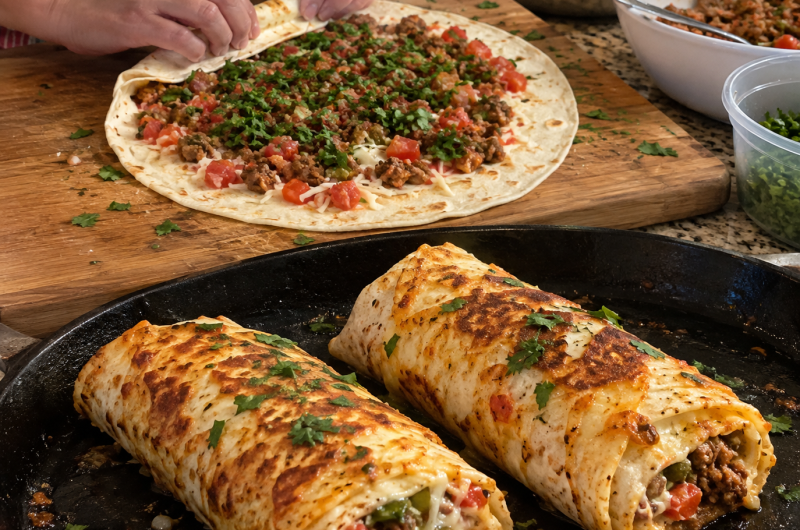
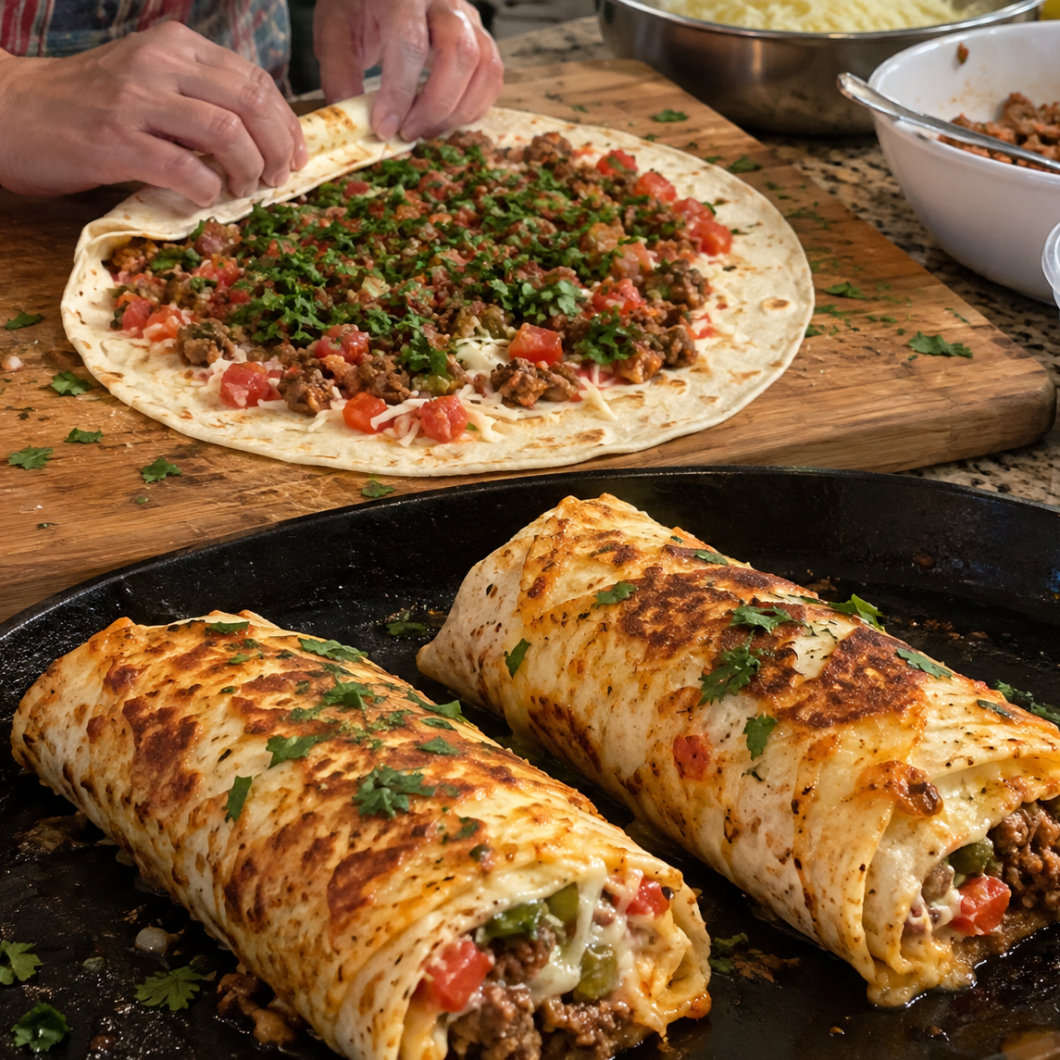
Whatever filling you choose, avoid adding too much. Overfilling makes a tortilla harder to close and increases the chance of tearing. Place the filling slightly below the center, fold the bottom over it, bring the sides inward, and then roll forward firmly.
Ideas for Chicken Tortilla Wraps
The source provides a separate chicken filling idea using boneless chicken seasoned with salt, paprika or red chili powder, black pepper, cumin powder, garlic powder, lemon juice, and cooking oil. The chicken is marinated before being cooked until completely done and lightly browned.
Once cooked, the chicken can be placed inside a warm tortilla with vegetables such as lettuce, tomato, cucumber, and onion. Cheese and a preferred sauce can then be added before folding. This creates an easy homemade chicken tortilla wrap suitable for lunch or dinner.
Because the tortilla itself has a relatively neutral flavor, it works well with mild, spicy, creamy, or strongly seasoned fillings. This makes the basic tortilla recipe more useful than a wrap designed around only one particular filling.
Vegetarian and Bean Tortilla Wrap Ideas
Homemade flour tortillas also work well for vegetarian meals. Cooked bell peppers, onions, carrots, cabbage, mushrooms, or corn can be sautéed and seasoned before being added to the wrap. Fresh lettuce, tomato, cucumber, cheese, and sauce can provide contrasting textures and make the wrap more substantial.
Beans offer another filling option. Cooked kidney beans, black beans, chickpeas, or other beans can be seasoned and combined with cheese and vegetables. Mashing some of the beans while leaving others whole can produce a filling that holds together more easily inside the tortilla.
A filled bean-and-cheese tortilla can also be returned briefly to a dry pan to warm the filling and melt the cheese. Take care not to heat it so long that the tortilla exterior becomes excessively dry.
How to Fold a Tortilla Wrap Properly
Place the tortilla on a clean surface and position the filling around the lower-middle section rather than spreading it over the entire tortilla. Leave enough empty space around the edges for folding. Keeping the filling relatively compact makes it easier to produce a neat wrap.
Fold the bottom edge upward over the filling. Next, bring the left and right sides toward the center. Holding those sides in place, roll the tortilla forward until the filling is enclosed. Placing the completed wrap seam-side down can help it remain closed.
If the tortilla cracks while folding, it may be too dry or overcooked. A properly prepared tortilla should bend easily. Briefly warming a refrigerated tortilla can also restore flexibility before filling.
Common Tortilla Problems and Solutions
Hard homemade tortillas are usually associated with overcooking, a dough that was too dry, or tortillas being left uncovered after cooking. Make sure the dough remains soft, cook each tortilla quickly on a properly heated surface, and transfer finished tortillas directly into a towel or covered container.
If tortillas crack when folded, check both the moisture of the dough and the cooking time. Slightly more water may be needed if the dough was unusually dry. Reducing the cooking time can also prevent excess moisture loss.
If the dough sticks while rolling, use a light dusting of flour rather than adding a large quantity. If it tears, it may have been rolled excessively thin or may need additional kneading. Burnt patches indicate excessive heat, while tortillas that take a long time to develop any brown spots usually need a hotter pan.
Notes for Making the Best Homemade Tortillas
For consistently soft tortillas, use warm water and avoid creating an excessively stiff dough. Knead thoroughly, then allow enough resting time before rolling. These early steps determine how easily the dough will roll and how flexible the finished tortillas will become.
Roll each portion fairly thin and use only a small amount of extra flour on the work surface. Preheat the pan before cooking and work quickly once each tortilla reaches the pan. The goal is a cooked tortilla with scattered golden spots rather than a crisp, heavily toasted flatbread.
Finally, cover every tortilla immediately after removing it from the pan. Stacking warm tortillas beneath a towel helps retain their moisture. These simple details make a noticeable difference between tortillas that remain soft and those that become stiff soon after cooking.
Storing Homemade Tortilla Wraps
If you have leftover tortillas, allow them to cool completely before storage. Stack them together and transfer them to an airtight food-safe container or sealed bag. Refrigeration is useful when they need to be stored for longer than a short period.
Refrigerated tortillas may naturally become firmer. To restore flexibility, warm them briefly in a dry pan before serving. They can also be warmed carefully for a short period in the microwave while appropriately covered. Avoid excessive reheating because it can remove moisture and make them dry again.
Homemade tortillas can also be frozen. Allow them to cool completely and place parchment paper or another suitable food-safe separator between individual tortillas if you want them to separate easily. Store them flat in an airtight freezer-safe bag or container, then thaw and briefly reheat before serving.
Why This Easy Tortilla Wrap Recipe Works
This homemade tortilla wraps recipe succeeds because each stage has a clear purpose. Warm water helps produce a manageable dough, oil contributes tenderness, kneading develops structure, and resting makes the dough easier to roll. Thin rolling creates a flexible wrap, while fast cooking prevents unnecessary moisture loss.
The final step of covering and stacking the cooked tortillas is just as valuable. It preserves moisture while the remaining tortillas are prepared, giving the entire batch a softer texture. None of these techniques is complicated, but together they create a much better result than simply mixing dough and cooking it for an arbitrary amount of time.
Once you master this method, the tortillas can become the foundation for countless meals. Use them for chicken wraps, beef wraps, vegetarian wraps, breakfast wraps, bean wraps, burritos, quesadillas, lunch boxes, or simple leftovers that need an easy way to become a complete meal.
Important Notes
Making soft homemade tortilla wraps is mainly about controlling moisture, resting time, thickness, pan temperature, and cooking time. Start with a soft dough, knead it until smooth, let it rest properly, roll the portions thinly, and cook each tortilla quickly on a hot dry pan. Covering the tortillas immediately after cooking helps preserve the flexibility needed for folding and rolling.
The recipe is especially convenient because the ingredients are simple and the tortillas can be paired with so many different fillings. Chicken, beef, eggs, vegetables, beans, cheese, salad, and sauces can all work, allowing one tortilla recipe to support numerous meal ideas.
Whether you are preparing an easy chicken wrap, a vegetarian lunch, a breakfast tortilla, or homemade burritos, these soft flour tortilla wraps provide a practical homemade base. With a little practice, rolling and cooking them becomes quick and straightforward, making fresh tortillas an achievable option for everyday home cooking.
Tortilla Wraps Recipe
Soft, thin, and flexible homemade tortilla wraps made from simple pantry ingredients.
12
servings20
minutes20
minutes155
kcal30
minutes1
hour10
minutesIngredients
3 cups all-purpose flour, approximately 375 g
1 teaspoon salt
1 teaspoon baking powder
3 tablespoons vegetable oil
Approximately 1 cup warm water, added gradually
- Optional Ingredients
1 tablespoon melted butter instead of some of the oil
Extra flour for rolling
Directions
- Add the flour, salt, and baking powder to a large mixing bowl. Mix thoroughly.
- Add the vegetable oil and work it into the flour until the mixture resembles coarse crumbs.
- Gradually add the warm water while mixing. Continue until a soft, manageable dough forms.
- Knead the dough for 6–8 minutes until smooth, soft, and elastic.
- Shape into a ball, cover, and rest for at least 20–30 minutes.
- Divide the rested dough into 10–12 equal portions and shape each portion into a smooth ball.
- Keep the dough balls covered while working to prevent them from drying.
- Lightly flour the work surface and roll each ball into a thin circle approximately 7–9 inches wide.
- Heat a dry skillet, frying pan, or tawa over medium-high heat. Do not add oil.
- Place one tortilla on the hot pan and cook for approximately 20–40 seconds, until bubbles appear and the underside develops light golden-brown spots.
- Flip and cook the second side for approximately 15–30 seconds. Turn once more briefly if necessary.
- Remove the tortilla before it becomes crisp. Immediately place it inside a clean kitchen towel or covered container.
- Repeat with the remaining dough, stacking and covering the tortillas as they are cooked.
- Serve warm with your preferred filling.
Nutrition Facts
12 servings per container
- Amount Per ServingCalories155
- % Daily Value *
- Total Fat
4g
6%
- Total Carbohydrate
25g
10%
- Protein 4g 8%
* The % Daily Value tells you how much a nutrient in a serving of food contributes to a daily diet. 2,000 calories a day is used for general nutrition advice.