Homemade keto nougat is a delicious sugar-free candy with a light, chewy texture, crunchy toasted walnuts, and a delicate vanilla flavor. This low-carb nougat recipe uses egg whites, keto-friendly sweeteners, and a few simple ingredients to create a traditional-style sweet without regular sugar. Each piece contains approximately 0.8 grams of net carbs, based on the original recipe’s nutritional estimate, making it a convenient small treat for people following a ketogenic or low-carb eating plan.
Unlike traditional nougat recipes that depend on large amounts of sugar and honey, this sugar-free nougat uses granulated erythritol and liquid low-carb sweetener or keto maple syrup. The combination produces a sweet mixture that is whipped with egg whites to create a fluffy consistency. Toasted walnuts add a pleasant crunch, while ground vanilla beans, sea salt, and lemon juice balance the sweetness and give the finished candy a more rounded flavor.
This easy keto nougat recipe is particularly suitable for holiday desserts, homemade candy collections, and edible gifts. The preparation involves making a warm sweetener syrup, whipping egg whites, combining the two mixtures, and drying the nougat slowly in a low-temperature oven. Although the process requires attention, the ingredients are straightforward, and the result is a homemade confection that can be divided into 24 individual servings.
What Is Keto Nougat?
Keto nougat is a low-carbohydrate version of traditional nougat, a confection commonly made with sugar, honey, whipped egg whites, and nuts. Classic nougat is known for its chewy consistency and rich sweetness, but its high sugar content makes it unsuitable for many ketogenic diets. This homemade version replaces traditional sweeteners with low-carb alternatives while keeping the familiar combination of whipped egg whites and crunchy nuts.
The main difference between regular nougat and keto-friendly nougat is the sweetener used to create its structure. Traditional sugar develops specific textures when heated, while erythritol behaves differently and can crystallize as it cools. This means sugar-free nougat may have a slightly different mouthfeel from conventional candy. Nevertheless, careful whipping and gentle oven drying help create a light confection with a pleasantly chewy center.
Another appealing feature of this homemade low-carb candy is its relatively short ingredient list. There is no need for wheat flour, regular granulated sugar, or complicated baking mixtures. Instead, the recipe relies on egg whites for volume, sugar substitutes for sweetness, and toasted walnuts for texture. These ingredients work together to produce a simple dessert that can be enjoyed in small portions.
Why Make Homemade Sugar-Free Nougat?
Making sugar-free nougat at home allows you to control the ingredients and choose sweeteners that suit your dietary preferences. Many commercially prepared nougat candies contain substantial amounts of added sugar, glucose syrup, or honey. This recipe avoids those traditional ingredients and uses low-carb alternatives, making it easier to include an occasional sweet treat in a carbohydrate-conscious eating plan.
Homemade nougat also offers flexibility in presentation. The finished mixture can be spread onto a parchment-lined baking sheet, dried slowly, and divided into neat or rustic pieces. These small portions are convenient for serving after meals, arranging on dessert platters, or packaging as homemade gifts. The toasted walnuts create an attractive contrast against the pale nougat, making each piece visually appealing.
Another advantage is that this recipe does not require complicated decorating techniques. Once the syrup has been prepared and the egg whites have been whipped, the remaining work involves combining the ingredients and allowing the oven to dry the mixture. The drying process takes approximately two hours, but most of that time does not require continuous attention, making the recipe manageable with some planning.
Ingredients for Homemade Keto Nougat
Egg Whites
Egg whites form the foundation of this homemade nougat recipe. When beaten, they trap air and develop a light foam that gives the candy its characteristic texture. The original recipe uses two large egg whites, which are whipped with lemon juice until stiff peaks form. This process creates the volume needed to support the warm sweetener mixture and toasted walnuts.
For the best whipping results, use a clean, dry mixing bowl and ensure that no egg yolk enters the whites. Even a small amount of fat can interfere with the formation of a stable foam. A hand mixer or stand mixer makes the process easier because the egg whites must be whipped thoroughly before the hot syrup is introduced.
Granulated Low-Carb Sugar Substitute
Granulated erythritol provides sweetness without the large amount of digestible carbohydrate found in ordinary table sugar. The recipe requires one cup of granulated low-carb sugar substitute. Its granular form makes it easy to measure and combine with the liquid sweetener before heating. It also contributes to the consistency of the syrup used to prepare the nougat.
It is important to understand that erythritol does not behave exactly like regular sugar when heated. It can recrystallize during cooling, sometimes producing a slightly grainy texture. For this reason, the original syrup preparation and whipping instructions should be followed carefully. Different commercial low-carb sweetener blends may also produce different results, even when the quantities remain unchanged.
Liquid Low-Carb Sweetener or Keto Maple Syrup
The liquid sweetener is an essential part of the syrup mixture. This recipe uses three-quarters of a cup of liquid low-carb sugar substitute or keto maple syrup. Both options provide sweetness, but the final flavor may vary depending on the product selected. Keto maple syrup can introduce a subtle maple-like taste that complements the walnuts and vanilla.
When choosing a keto maple syrup, check the nutritional label because products marketed as sugar-free or low-carb can contain different sweetening ingredients. Some contain sugar alcohols, soluble fibers, or other carbohydrates that affect the final nutritional values. The consistency of the syrup may also influence the finished nougat, so results can vary between brands.
Toasted Walnuts
Toasted walnuts give this keto nougat its distinctive crunch and nutty flavor. The recipe includes one cup of walnuts, which should already be toasted before they are folded into the whipped mixture. Toasting helps bring out their natural aroma and gives them a firmer texture that contrasts nicely with the soft, airy nougat.
Walnuts also contribute dietary fat and a small amount of protein to the recipe. Their slightly earthy flavor balances the sweetener and vanilla without overpowering the candy. Allow the toasted walnuts to cool before adding them to the mixture, and fold them in gently to avoid removing too much air from the whipped egg whites.
Ground Vanilla Beans
Ground vanilla beans provide a fragrant flavor that complements the sweetness of the nougat. The recipe uses one teaspoon, which is enough to distribute vanilla notes throughout the mixture. Unlike some liquid vanilla products, ground vanilla beans also leave small, dark specks that create a traditional homemade appearance in the finished candy.
Vanilla works particularly well with toasted walnuts because its gentle aroma softens the stronger nutty flavor. It also complements the sweetness of erythritol and keto maple syrup. The ground vanilla beans are included in the warm syrup mixture, allowing their flavor to become evenly distributed before the syrup is incorporated into the whipped egg whites.
Sea Salt
Sea salt may seem unusual in a sweet candy recipe, but it plays an important role in balancing the overall flavor. The original recipe includes one-quarter teaspoon of sea salt, which is mixed with the sweeteners and vanilla before heating. This small amount helps prevent the nougat from tasting excessively sweet and brings greater depth to the other ingredients.
Salt is especially useful in desserts containing nuts because it highlights their natural roasted flavor. In this keto walnut nougat, the contrast between sweetness and saltiness makes each bite more interesting. The amount is small enough that the candy should not taste noticeably salty, provided the ingredients are measured accurately and mixed evenly.
Lemon Juice
Lemon juice is added to the egg whites before whipping. The recipe calls for one tablespoon, which contributes acidity and helps support the formation of a stable egg-white foam. This is particularly useful when preparing nougat because the egg whites must remain airy while the hot sweetener syrup is gradually incorporated.
The lemon juice also provides a mild citrus contrast to the sweetness of the candy. Its flavor is not intended to dominate the vanilla or walnuts. Instead, it helps create a balanced taste while supporting the texture of the whipped mixture. Freshly squeezed lemon juice can be measured accurately before beginning the whipping process.
How to Make Keto Nougat at Home
Step 1: Prepare the Sweetener Syrup
Begin by combining the granulated erythritol, liquid low-carb sweetener or keto maple syrup, ground vanilla beans, and sea salt in a medium saucepan. Stir the ingredients together before placing the pan over medium-high heat. Once heating begins, allow the mixture to cook without further stirring for approximately three minutes, following the original recipe’s instructions.
The source recipe specifies a syrup temperature of 220°F (104°C), or a golden and bubbly appearance. A candy thermometer is useful for monitoring the temperature, although the syrup’s behavior can vary depending on the sweetener blend. Prepare the egg whites promptly so that the syrup can be incorporated while hot, without allowing it to harden in the saucepan.
Step 2: Whip the Egg Whites
Place the two large egg whites in a clean mixing bowl and add the lemon juice. Using an electric mixer, beat the mixture on medium speed until stiff peaks form. The whites should become thick, pale, and airy, with peaks that hold their shape when the beaters are lifted from the bowl.
This stage is important because the whipped egg whites provide much of the finished nougat’s structure. Underwhipped whites may not support the syrup properly, while excessive whipping can produce a dry or uneven foam. The aim is to develop firm peaks while keeping the mixture smooth enough to combine with the warm syrup.
Step 3: Combine the Hot Syrup and Egg Whites
Once the egg whites reach stiff peaks, increase the mixer speed and begin adding the hot syrup in a slow, steady stream. Pour carefully down the side of the mixing bowl, avoiding the moving beaters. This helps distribute the syrup evenly and reduces the risk of hot splashes during mixing.
Continue beating the mixture for approximately eight to ten minutes, or until it becomes very thick and glossy. The whipped mixture should develop enough body to support the walnuts without immediately collapsing. Because hot syrup is involved, use a heat-resistant mixing bowl and keep your hands clear of the moving beaters throughout this stage.
Step 4: Fold in the Toasted Walnuts
When the whipped nougat mixture is thick and glossy, add the toasted walnuts. Use a spatula to fold them through the mixture gently, lifting from the bottom of the bowl rather than stirring vigorously. This technique helps preserve the air incorporated during whipping while distributing the walnuts throughout the candy.
The walnuts should be spread evenly so that each finished piece contains a reasonable amount of crunch. Avoid spending too long folding the mixture because the nougat may begin to firm as it cools. Once the nuts are incorporated, transfer the mixture promptly to the prepared baking sheet for drying.
Step 5: Dry the Nougat in the Oven
Preheat the oven to 140°F (60°C) and line a baking sheet with parchment paper. Spread the nougat mixture onto the prepared sheet, forming an even layer. The thickness of the layer will influence the final appearance and may affect how quickly moisture leaves the mixture during the drying process.
Place the baking sheet in the oven and allow the nougat to dry for approximately two hours, as directed in the source recipe. This low-temperature process is intended to reduce moisture rather than brown the candy. The finished texture can vary depending on the sweetener used, the thickness of the mixture, and the accuracy of the oven temperature.
Step 6: Cut and Cool the Nougat
After the drying period, remove the baking sheet from the oven and prepare a clean knife. Lightly wet the blade before cutting because the nougat may stick to dry utensils. Divide the mixture into 24 pieces, following the original serving quantity, and allow the pieces to cool before serving.
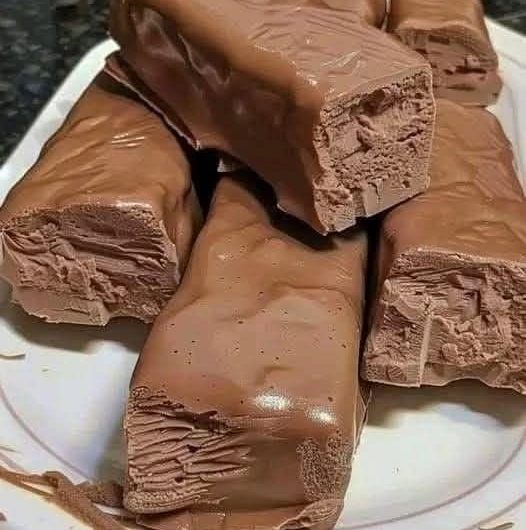
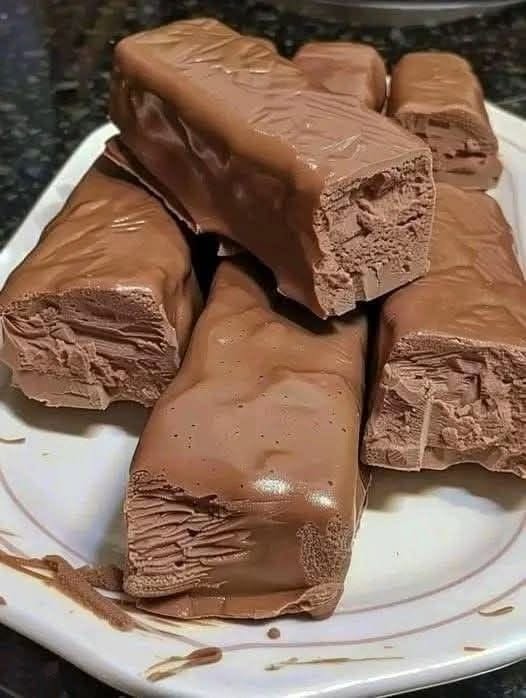
If the nougat is particularly sticky, clean and dampen the knife between cuts to create more even portions. Once cooled, separate the pieces with parchment paper to prevent them from sticking together. The finished candy should have a light appearance, visible pieces of walnut, and a texture that reflects the whipped egg whites and sweetener mixture.
Understanding the Texture of Sugar-Free Nougat
Traditional nougat gets much of its texture from concentrated sugar syrup, which helps stabilize the whipped egg whites and create a chewy structure. Sugar-free nougat is more challenging because erythritol and other low-carb sweeteners do not reproduce every property of ordinary sugar. As a result, homemade keto nougat may be softer, firmer, or more crystalline than conventional nougat.
The whipping stage is particularly important for creating a pleasant texture. Beating the hot syrup into the egg whites for eight to ten minutes helps develop a thick mixture with evenly distributed air. If the mixture remains thin, it may spread too much on the baking sheet. If the sweetener crystallizes, the finished candy may develop a grainy sensation.
Oven drying also influences the texture of the finished candy. A low temperature allows moisture to escape gradually, helping the nougat become less wet without developing a heavily browned exterior. However, 140°F (60°C) is below the minimum setting available on many domestic ovens. Check your oven’s capabilities before beginning, and avoid assuming a higher temperature will produce identical results.
Notes for Making Homemade Keto Nougat
Use the Correct Mixing Equipment
An electric hand mixer or stand mixer is highly recommended for this recipe because the egg whites must be whipped thoroughly and then beaten again with hot syrup. Mixing by hand would require considerably more effort and may make it difficult to achieve a consistent texture. A stable mixing bowl also makes handling the hot syrup safer.
Before starting, arrange the saucepan, mixer, spatula, baking sheet, parchment paper, and candy thermometer within easy reach. The syrup and whipped egg whites need to be combined promptly, so preparing the equipment beforehand helps the process run smoothly. This is especially useful for anyone making homemade sugar-free candy for the first time.
Monitor the Syrup Temperature Carefully
The original recipe uses a syrup temperature of 220°F (104°C), which can be checked with a candy thermometer. Temperature matters because heating changes the concentration and behavior of the sweetener mixture. However, sugar-free syrup blends do not always behave like ordinary sugar syrup, and the appearance of bubbles alone may not guarantee the same result.
Use a saucepan with enough space to accommodate bubbling and avoid touching the hot syrup. Do not increase the heat excessively in an attempt to shorten the cooking time. Some sweetener blends may thicken or crystallize differently, so the specified temperature and visual signs should be treated as the source recipe’s guidance rather than a guarantee of texture.
Avoid Overmixing the Walnuts
The walnuts should be incorporated only after the nougat mixture has become thick and glossy. Folding them in gently helps maintain the light structure created by the whipped egg whites. Vigorous stirring can remove air and make the finished candy denser, particularly when the mixture is still warm and relatively soft.
A flexible spatula works well for this step because it can reach the bottom and sides of the bowl without requiring aggressive stirring. Turn the mixture over the walnuts several times until they are distributed. Once the nuts are incorporated, transfer the mixture to the parchment-lined baking sheet without unnecessary delay.
Flavor Variations for Keto Nougat
Chocolate-Coated Keto Nougat
Chocolate-coated keto nougat offers a richer variation of the original walnut candy. After the nougat has dried and cooled completely, individual pieces can be coated in melted keto-friendly dark chocolate. The chocolate creates an outer layer that contrasts with the soft center and crunchy walnuts, making the candy suitable for a more indulgent dessert presentation.
This variation introduces an additional ingredient and changes the nutritional values of the finished recipe. Choose chocolate carefully because some products labeled sugar-free still contain carbohydrates that may be relevant to a ketogenic diet. Allow the coating to set before storing the pieces, and keep the original nougat recipe unchanged when preparing the standard version.
Pistachio and Keto Honey Nougat
Pistachio nougat is a traditional confection flavor that can inspire a different version of this recipe. The source suggests replacing toasted walnuts with pistachios and using keto-friendly honey in place of vanilla. Pistachios contribute a distinctive green color and a slightly different nutty flavor, making the finished candy attractive for festive occasions.
This is an optional variation rather than part of the original ingredient list. Keto honey substitutes differ widely in their ingredients, sweetness, and carbohydrate content, so the nutritional values would need to be recalculated. The texture may also change depending on the syrup used, particularly because alternative sweeteners behave differently during heating and cooling.
Festive Spiced Keto Nougat
Warm spices can give homemade nougat a seasonal flavor without changing the basic preparation method. Cinnamon, nutmeg, cloves, and ginger are among the spices suggested in the source recipe. Small amounts can be incorporated into the egg whites before whipping, allowing the flavors to spread throughout the mixture during the preparation process.
Spiced nougat can be particularly appealing during winter celebrations because its aroma pairs naturally with toasted nuts and vanilla. However, spices should be used carefully because strong flavors such as cloves can overpower the more delicate ingredients. Any additional spices represent a variation of the original recipe and are not included in its stated nutritional estimate.
How to Store Homemade Keto Nougat
Once the nougat has cooled completely, separate the individual pieces with small sheets of parchment paper. This prevents the candy from sticking together and makes it easier to remove a single serving. Place the separated pieces in a clean, airtight container to reduce exposure to moisture and unwanted odors.
Because this recipe contains egg whites and its low-temperature drying process has not been validated for shelf stability, it is safer to refrigerate the finished nougat rather than assume it can be stored at room temperature for extended periods. Use pasteurized egg whites where possible, particularly when preparing the candy for people at higher risk of foodborne illness.
The source recipe does not provide a tested storage duration, so a precise shelf life cannot be guaranteed. Humidity, sweetener choice, and moisture remaining after drying can all influence quality. If the nougat develops an unusual smell, visible mold, or other signs of spoilage, discard it rather than attempting to restore its texture.
Is Keto Nougat Suitable for a Low-Carb Diet?
This homemade nougat is designed as a low-carbohydrate alternative to traditional candy. According to the original nutritional estimate, one piece contains approximately 1.4 grams of total carbohydrates, 0.6 grams of fiber, and 0.8 grams of net carbohydrates. These figures are based on dividing the recipe into 24 equal servings and using the source’s chosen ingredients.
Actual carbohydrate values can differ depending on the granulated sweetener, liquid sweetener, and walnuts used. In particular, sugar-free maple syrups may contain ingredients that affect the carbohydrate calculation. Some nutritional labels also report sugar alcohols differently, so checking individual product information is important when tracking carbohydrates closely.
Although this recipe is low in estimated net carbohydrates, it is still a sweet confection rather than a nutritionally complete snack. It provides dietary fat from walnuts and small amounts of protein from nuts and egg whites. Enjoying a piece as an occasional dessert can be compatible with a balanced eating pattern, depending on individual dietary needs.
Serving Ideas for Sugar-Free Walnut Nougat
Keto walnut nougat can be served as a small dessert after lunch or dinner, particularly when a sweet finish is desired without preparing a large cake or pudding. Its firm, sliceable form makes portioning straightforward, while the toasted walnuts provide enough texture to make each piece feel satisfying. Serving the candy in small portions also helps maintain consistent nutritional estimates.
For gatherings, arrange the nougat pieces on a serving plate with parchment between layers to reduce sticking. The pale candy and toasted walnut pieces create a simple presentation without requiring decorative toppings. It can also be included in a homemade sugar-free dessert assortment alongside other low-carb treats, provided the individual recipes meet the intended dietary requirements.
If preparing the nougat as a gift, allow it to cool fully before packaging and include appropriate storage instructions. Food-safe wrapping or a small container with parchment separators helps protect the pieces. Because the recipe contains walnuts and egg whites, allergen information should also be provided when sharing it with other people.
Important Notes
This keto nougat recipe brings together whipped egg whites, low-carb sweeteners, toasted walnuts, and ground vanilla beans to create a homemade sugar-free candy with a distinctive texture. The method requires careful syrup preparation and thorough whipping, followed by gentle oven drying. With a little attention to these steps, the recipe provides an interesting alternative to traditional sugar-based nougat.
The original recipe yields 24 pieces, with an estimated 0.8 grams of net carbohydrates per serving. Its combination of vanilla and walnuts makes it suitable for holiday treats, small desserts, and homemade gifts. Since sugar substitutes behave differently from regular sugar, results may vary, but the recipe offers a practical starting point for preparing low-carb nougat at home.
Keto Chocolate Nougat Candy recipe
A chewy, vanilla-flavored low-carb candy with toasted walnuts and an estimated 0.8 g net carbs per piece.
24
servings10
minutes2
hours63
kcal2
hours10
minutesIngredients
2 large egg whites
1 cup granulated low-carb sugar substitute (erythritol)
¾ cup liquid low-carb sugar substitute or keto maple syrup
1 cup toasted walnuts
1 teaspoon ground vanilla beans
¼ teaspoon sea salt
1 tablespoon lemon juice
Directions
- Combine granulated erythritol, liquid sweetener, vanilla, and salt in a saucepan. Heat over medium-high heat without stirring for approximately 3 minutes, until bubbly or 220°F (104°C).
- Beat egg whites and lemon juice in a clean bowl until stiff peaks form.
- Increase mixer speed and slowly pour the hot syrup into the egg whites, avoiding the beaters. Beat for 8–10 minutes until thick and glossy.
- Gently fold in the toasted walnuts.
- Preheat the oven to 140°F (60°C). Line a baking sheet with parchment paper and spread the mixture evenly.
- Dry in the oven for approximately 2 hours.
- Cut into 24 pieces using a damp knife. Allow to cool before serving.
Nutrition Facts
24 servings per container
- Amount Per ServingCalories63
- % Daily Value *
- Total Fat
6.1g
8%
- Total Carbohydrate
.8g
0%
- Protein 1.7g 2%
* The % Daily Value tells you how much a nutrient in a serving of food contributes to a daily diet. 2,000 calories a day is used for general nutrition advice.