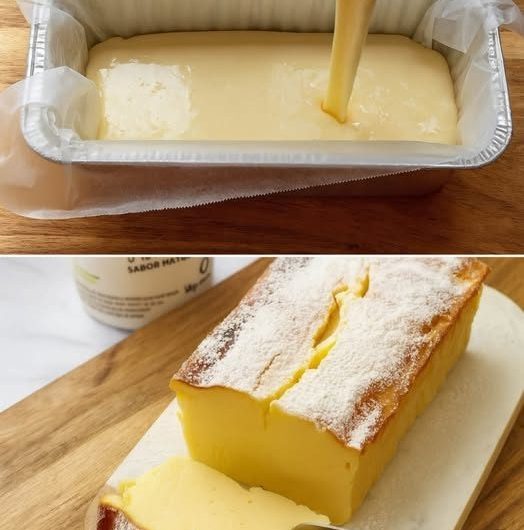
This 3-Ingredient Yogurt Cake is an easy homemade dessert made with Greek vanilla yogurt, self-rising flour, and eggs. With only three essential ingredients, it creates a soft and moist cake without requiring a long shopping list or complicated baking techniques. It is especially useful for beginner bakers who want a simple Greek yogurt cake that can be mixed quickly and baked in about half an hour.
Greek yogurt gives this easy yogurt cake much of its moisture and contributes to its soft texture, while the eggs help provide structure. Self-rising flour simplifies the preparation because the flour already contains leavening. The basic batter can be prepared in approximately 10 minutes, making this a practical recipe when you want a quick homemade cake for dessert, breakfast, brunch, or an afternoon snack.
Why This 3-Ingredient Yogurt Cake Is So Easy
The main attraction of this Greek yogurt cake recipe is its simplicity. You do not need to measure a long list of baking ingredients or prepare multiple mixtures. Greek vanilla yogurt, eggs, and self-rising flour form the basic cake batter. Once these three ingredients are combined, the batter is transferred to a prepared baking dish and baked until the center is fully set.
Although the core recipe contains only three ingredients, the original recipe also provides optional additions. Vanilla extract and lemon zest can be included for extra aroma and flavor, while fresh berries and powdered sugar can be used to finish the cake. These additions are completely optional, so the cake can still be prepared using only the three main ingredients when you want the simplest version.
What Makes Greek Yogurt Useful in Cake?
Greek yogurt is an excellent baking ingredient because of its thick, creamy consistency. In this cake, one cup of Greek vanilla yogurt supplies moisture and contributes to the tender texture of the finished crumb. Because Greek yogurt is considerably thicker than many ordinary yogurts, it works particularly well in a simple batter where every ingredient has an important structural role.
The source recipe recommends full-fat Greek yogurt for the best flavor and texture. Greek vanilla yogurt also brings vanilla flavor directly into the basic cake without requiring vanilla extract as an essential ingredient. For this reason, the listed vanilla extract remains optional rather than becoming part of the three core ingredients. Keeping the ingredient roles clear helps preserve the simplicity that makes this recipe appealing.
Why Self-Rising Flour Matters
Self-rising flour is another important component of this easy 3-ingredient cake. Unlike standard all-purpose flour, self-rising flour already includes leavening, which helps simplify the recipe. Using one cup of self-rising flour means you do not need to separately measure several dry ingredients for the basic version. This is one reason the recipe can be assembled so quickly.
When adding the flour, mix only until it is incorporated into the yogurt and egg mixture. Excessive mixing can make a cake less tender because prolonged stirring develops more gluten. A few small lumps are less concerning than aggressively mixing the batter. Once no obvious dry flour remains, the batter is ready to be transferred to the prepared baking dish.
The Role of Eggs in Greek Yogurt Cake
Two large eggs provide important structure to this simple yogurt cake. They combine with the yogurt and flour during baking to help the batter set into a sliceable cake. The source also recommends using room-temperature eggs because they combine more evenly with the other ingredients. This is a small preparation step that can make mixing easier.
Whisk the eggs thoroughly into the Greek vanilla yogurt until the mixture appears smooth before incorporating the flour. Creating an even wet mixture first makes it easier to distribute the flour without excessive stirring later. Since this cake uses so few ingredients, following the mixing sequence carefully can help achieve a more consistent result without introducing unnecessary steps.
Preparing the Baking Dish
Before mixing the batter, preheat the oven to 350°F (175°C). Preparing the oven first ensures that the cake can begin baking as soon as the batter is ready. The supplied recipe card calls for a greased 9-inch round or square baking dish. Greasing the baking dish helps reduce sticking and makes the finished cake easier to serve.
Once the oven and baking dish are prepared, you can begin mixing. This sequence is helpful because the completed batter does not need to sit while waiting for the oven to heat. Simple cakes benefit from an organized preparation process, particularly when self-rising flour provides the leavening. Having everything ready before mixing keeps the process quick and straightforward.
How to Mix Cake Batter
Place one cup of Greek vanilla yogurt into a large mixing bowl. Add the two large eggs and whisk them into the yogurt until the mixture becomes smooth and uniform. There should not be obvious streaks of egg remaining. This creates the wet base of the cake and prepares it for the self-rising flour.
Add one cup of self-rising flour and stir only until combined. Avoid beating the batter vigorously after adding the flour. The goal is simply to incorporate the dry ingredient without unnecessary mixing. Once the flour has disappeared into the batter, stop stirring. This gentle approach helps maintain the soft texture expected from an easy Greek yogurt cake.
Adding the Optional Flavors
The basic cake requires only Greek vanilla yogurt, self-rising flour, and eggs, but the recipe includes one teaspoon of vanilla extract and one teaspoon of lemon zest as optional ingredients. These can be incorporated if you want to add another layer of flavor. Vanilla strengthens the sweet aromatic character, while lemon zest introduces a fresh citrus note.
Because these ingredients are optional, they should not be presented as requirements for making the three-ingredient cake. If using them, gently incorporate them into the batter without overmixing. The lemon zest can be especially useful when the finished cake will be served with fresh berries, as citrus and berry flavors naturally complement one another.
Baking the Yogurt Cake
After mixing, pour the batter into the prepared 9-inch baking dish and spread it evenly. Place the dish in the preheated 350°F (175°C) oven and bake for approximately 25 to 30 minutes. Because individual ovens can behave differently, use the baking time as a guide and check the cake for doneness near the end of the recommended range.
Insert a toothpick into the center of the cake. It should come out clean when the cake is fully baked. If wet batter remains on the toothpick, the center needs additional baking time. Checking the center rather than relying entirely on surface color is important because the outside can appear finished before the middle has completely set.
How to Avoid a Dense Yogurt Cake
One of the simplest ways to protect the texture of this cake is to avoid overmixing. Once the self-rising flour enters the wet mixture, stir only until the ingredients are combined. Continued vigorous mixing is unnecessary and can encourage additional gluten development, which may produce a firmer and denser crumb instead of the softer texture you want.
Accurate flour measurement also matters. Too much flour changes the balance between the dry ingredients and the yogurt. Measure one cup as specified rather than adding extra flour because the batter appears different from a traditional butter cake. Greek yogurt naturally gives the batter its own consistency, so follow the stated proportions rather than trying to make it resemble another cake recipe.
Using Full-Fat Greek Yogurt
The source recipe specifically recommends full-fat Greek yogurt for the best flavor and texture. Its creamy consistency works naturally with the simple ingredient combination and contributes richness without requiring butter or oil as separate ingredients. Because yogurt is such a major part of the recipe, choosing a thick Greek yogurt is particularly important.
The recipe specifies Greek vanilla yogurt rather than ordinary thin yogurt. Changing to another type of yogurt may alter both the consistency and sweetness of the batter. When reproducing the recipe as written, one cup of Greek vanilla yogurt is therefore the appropriate choice. This also keeps the vanilla flavor within the basic three-ingredient format.
Optional Fresh Berry Topping
Fresh berries are listed as an optional ingredient, with one cup available for topping or serving with the cake. Strawberries, raspberries, blueberries, or a mixture of berries can add freshness and color. Since berries are optional rather than part of the basic batter, they can simply be added when serving instead of changing the fundamental three-ingredient cake.
For an attractive presentation, allow the cake to cool before arranging fresh berries over the top. Adding berries shortly before serving helps them remain fresh and prevents excess moisture from sitting on the cake during storage. This simple addition can transform the basic yogurt cake into a more decorative dessert without requiring frosting or complicated decorating techniques.
Optional Powdered Sugar Finish
The original ingredient list also includes two tablespoons of powdered sugar as an optional finishing ingredient. A light dusting can give the cake a classic homemade appearance and add sweetness to the surface. Because powdered sugar is intended as an optional topping, it does not need to be mixed into the basic cake batter.
Wait until the cake has cooled before dusting it with powdered sugar. Applying powdered sugar to a very hot cake can cause it to dissolve quickly into the surface. If you are also using fresh berries, dust the cake first and arrange the berries afterward. This creates a simple presentation suitable for dessert, afternoon tea, or brunch.
Serving Ideas for 3-Ingredient Greek Yogurt Cake
This easy Greek yogurt cake can be served in several ways because its simple flavor works with many accompaniments. A plain slice makes a straightforward snack with coffee or tea. For a more dessert-like presentation, use the optional fresh berries and powdered sugar included in the original ingredient list. Lemon zest can add extra freshness when you want a brighter flavor.
The cake can also work for breakfast or brunch because it is less elaborate than a heavily frosted layer cake. How you serve it depends on the occasion. Keeping the presentation simple highlights the main advantage of the recipe: a homemade cake that requires only three essential ingredients and relatively little preparation.
A Useful Cake for Beginner Bakers
Recipes with short ingredient lists can be helpful for people learning to bake because there are fewer ingredients to measure and fewer preparation stages to manage. This yogurt cake requires only basic mixing, a prepared baking dish, and a standard oven. There is no butter to cream, no separate egg whites to whip, and no complicated frosting to prepare.
The most important techniques are straightforward: preheat the oven, combine the yogurt and eggs smoothly, avoid overmixing after adding the flour, and check the center with a toothpick before removing the cake. Learning these basic techniques can also help beginners become more comfortable with other simple homemade cake recipes.
Notes for the Best 3-Ingredient Yogurt Cake
Use full-fat Greek vanilla yogurt when following the original recipe for the intended flavor and texture. Bring the eggs closer to room temperature before mixing so they combine more smoothly with the yogurt. When adding the self-rising flour, stir gently and stop as soon as the batter is combined rather than continuing to beat it.
Preheat the oven fully to 350°F (175°C) before baking and grease the 9-inch baking dish before adding the batter. Bake for approximately 25 to 30 minutes and use the toothpick test to determine when the center is ready. Add fresh berries and powdered sugar only if desired, since both are optional additions rather than essential ingredients.
Can Regular Yogurt Replace Greek Yogurt?
The supplied recipe is specifically formulated around Greek yogurt, which has a thicker consistency than ordinary yogurt. Regular yogurt generally contains more liquid, so replacing Greek yogurt directly could change the consistency of the batter and the finished cake. For the most predictable result, use the Greek vanilla yogurt specified in the original ingredient list.
The source material discusses straining regular yogurt when Greek yogurt is unavailable, but this would introduce a variation rather than the exact three-ingredient recipe. For a website recipe intended to give readers consistent results, keeping the specified Greek yogurt is the clearest approach and avoids unnecessarily changing the original formulation.
Why Self-Rising Flour Should Not Be Changed Casually
Self-rising flour provides more than flour alone because it contains leavening needed to help the cake rise. Substituting plain all-purpose flour without accounting for that difference can therefore produce a significantly different result. Since your instruction is to preserve the original ingredients, this rewritten recipe retains one cup of self-rising flour exactly as specified.
This is particularly important in such a short recipe because there are only three essential ingredients. When a recipe contains very few components, changing one can have a proportionally larger effect on the final texture. Using the specified flour keeps the preparation straightforward and eliminates the need to introduce additional ingredients into the basic cake.
How to Know When the Yogurt Cake Is Ready
Baking time is approximately 25 to 30 minutes, but the toothpick test provides a more useful indication than time alone. Insert a clean toothpick into the center of the cake near the end of the baking period. When it comes out clean rather than coated with wet batter, the center has baked through.
Avoid repeatedly opening the oven during the early part of baking because doing so releases heat. Instead, wait until the cake approaches the recommended baking time before testing it. Once done, remove the cake from the oven and allow it to cool before adding optional powdered sugar or fresh berries and cutting it into slices.
Storage Recommendations
The source material gives slightly conflicting storage statements: its detailed storage section lists two days at room temperature and five days refrigerated, while the recipe-card notes say the cake stays moist for up to four days in an airtight container. To avoid overstating storage guidance, keep the finished cake well covered in an airtight container and use refrigeration when keeping it beyond a short period.
If topping the cake with fresh berries, it is better to add them shortly before serving rather than leaving them on the cake during extended storage. This helps maintain the appearance and texture of both the berries and cake. Individual slices can then be taken out as needed, making the recipe practical for preparing ahead.
Why This Easy Yogurt Cake Is Worth Making
The strongest feature of this 3-Ingredient Yogurt Cake is how little preparation it requires. Three basic ingredients create the cake itself, while optional vanilla, lemon zest, berries, and powdered sugar provide ways to dress it up. With approximately 10 minutes of preparation and 25 to 30 minutes in the oven, it offers an uncomplicated route to homemade cake.
Whether served as a simple Greek yogurt dessert, a light afternoon cake, or a sweet addition to breakfast or brunch, the recipe is adaptable without being complicated. The combination of Greek vanilla yogurt, eggs, and self-rising flour keeps the method approachable, making this an excellent recipe for anyone searching for an easy yogurt cake, 3-ingredient cake, or simple Greek yogurt dessert.
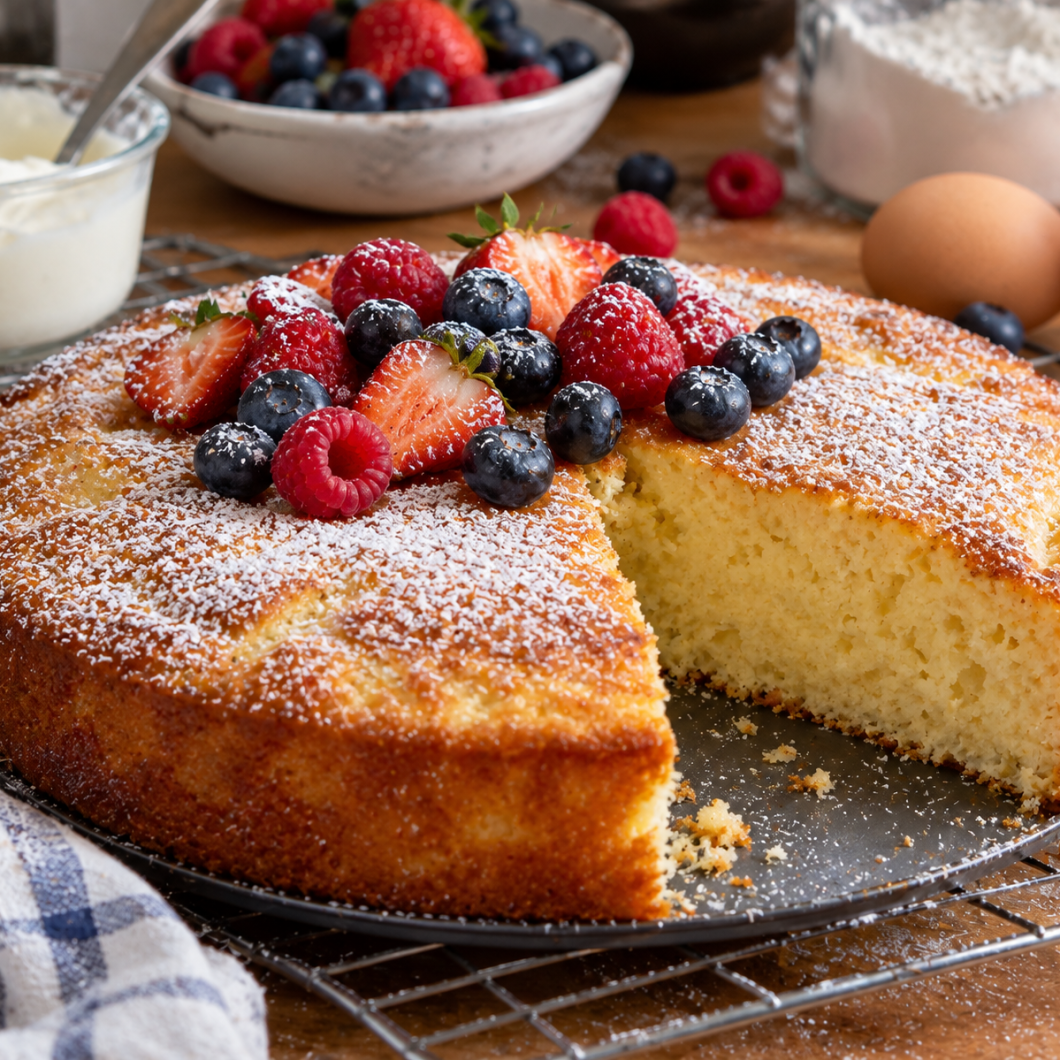
3- Ingredients Healthy Greek Yogurt Dessert Cake
A simple, moist Greek yogurt cake made with only three essential ingredients: Greek vanilla yogurt, self-rising flour, and eggs.
8
servings10
minutes30
minutes220
kcal40
minutesIngredients
- Main Ingredients
1 cup Greek vanilla yogurt
1 cup self-rising flour
2 large eggs
- Optional Ingredients
1 teaspoon vanilla extract
1 teaspoon lemon zest
1 cup fresh berries
2 tablespoons powdered sugar
Directions
- Preheat the oven to 350°F (175°C).
- Grease a 9-inch round or square baking dish.
- Add the Greek vanilla yogurt to a large mixing bowl.
- Add the eggs and whisk until smooth.
- Stir in the self-rising flour just until combined. Do not overmix.
- If using, gently mix in the vanilla extract and lemon zest.
- Pour the batter into the prepared baking dish.
- Bake for 25–30 minutes, or until a toothpick inserted into the center comes out clean.
- Allow the cake to cool.
- If desired, finish with fresh berries and/or powdered sugar before serving.
Nutrition Facts
8 servings per container
- Amount Per ServingCalories220
- % Daily Value *
- Total Fat
10g
13%
- Total Carbohydrate
28g
11%
- Protein 7g 15%
* The % Daily Value tells you how much a nutrient in a serving of food contributes to a daily diet. 2,000 calories a day is used for general nutrition advice.