A Simple Warm Drink Made with Everyday Ingredients
When I want something warm that is light, fresh, and easy to prepare, this ginger lemon tea is one of the first recipes I make. It doesn’t require any special equipment or difficult techniques, and the ingredients are usually easy to find. Fresh ginger creates a naturally spicy flavor, while lemon adds brightness that balances the drink beautifully. If I want a little sweetness, I simply stir in honey after the tea is ready.
One of the things I enjoy most about this recipe is how flexible it is. Some days I keep it plain with only ginger, lemon, water, and honey. Other times I include a cinnamon stick for extra warmth or add a pinch of turmeric and black pepper for a deeper flavor. During warmer months, I let the tea cool and serve it over ice with fresh mint. Even though the ingredients stay simple, small adjustments create a completely different drinking experience.
Because the preparation is straightforward, this recipe works well for both beginners and experienced home cooks. It can be enjoyed first thing in the morning, after a meal, during cold weather, or as a refreshing chilled drink in the afternoon.
Why This Recipe Works
The recipe uses only a few ingredients, but each one contributes something important to the finished drink.
Fresh ginger gives the tea its signature warming taste. Depending on how it is prepared, the flavor can be mild or bold. Thin slices produce a gentler infusion, while grated ginger creates a stronger and spicier drink because more of the ginger comes into contact with the hot water.
Lemon brings freshness and natural acidity. Rather than boiling it with the ginger, the juice is added after cooking. This keeps the flavor bright and prevents it from becoming dull during simmering.
Honey is optional, but it softens the sharpness of both the ginger and lemon. Since everyone’s preference is different, it can easily be adjusted to taste.
The optional spices allow the tea to be customized without changing its basic character. Cinnamon provides a gentle sweetness, turmeric adds an earthy note and golden color, black pepper complements turmeric, and mint creates a refreshing finish.
Choosing the Best Ginger
Fresh ginger is the most important ingredient in this recipe, so selecting a good piece makes a noticeable difference.
Look for ginger that feels firm and heavy for its size. The skin should be smooth without large wrinkles or soft spots. Fresh ginger usually has a pleasant aroma even before it is cut.
If the ginger has been stored for a while and feels dry or shriveled, the flavor will not be as vibrant. Using fresh ginger creates a cleaner and more balanced tea.
Preparing the Ginger
There are two simple ways to prepare ginger for this recipe.
The first method is slicing. Thin slices slowly release their flavor while simmering, creating a drink that is warm but not overpowering. This option works well for anyone who prefers a milder cup.
The second method is grating. Grated ginger exposes much more surface area to the water, allowing the flavor to become richer and more intense. If a stronger ginger taste is preferred, this method is an excellent choice.
Peeling the ginger is optional. After washing it well, I sometimes leave the skin on if it looks clean. If I decide to peel it, using the edge of a spoon removes the thin skin quickly without wasting much of the ginger.
Simmering Makes the Difference
The simmering stage is where the tea develops its flavor.
After adding the prepared ginger to water, I bring it to a gentle boil before reducing the heat. Instead of cooking it rapidly, allowing the ginger to simmer slowly creates a smoother flavor.
An eight-minute simmer produces a lighter tea with gentle warmth. Extending the simmer to around twelve minutes creates a stronger drink with a more noticeable spicy finish.
This flexibility makes it easy to prepare the tea according to personal preference without changing the ingredient list.
Adding Optional Flavors
The base recipe is enjoyable on its own, but the optional ingredients can provide extra depth.
A small cinnamon stick adds warmth and a naturally sweet aroma that pairs beautifully with ginger.
A pinch of turmeric gives the tea a golden appearance and a mild earthy flavor. When turmeric is used, a tiny pinch of black pepper blends well with it.
Fresh mint creates a cooling contrast to the warmth of the ginger. When preparing an iced version, mint becomes especially refreshing.
These additions are completely optional, making it easy to prepare the drink exactly as desired each time.
Why Lemon Is Added Last
One small step greatly improves the final flavor.
Instead of squeezing the lemon into the saucepan while the tea is boiling, I wait until the simmering is finished. The ginger tea is strained first, and then the fresh lemon juice is stirred into the hot liquid.
This keeps the citrus flavor lively and fresh. The lemon blends smoothly into the tea while maintaining its natural brightness.
Removing the seeds before adding the juice also keeps the drink pleasant to sip.
Sweetening the Tea
Honey is entirely optional.
If I decide to use it, I add it only after the tea has been poured into the cup. The remaining heat dissolves the honey quickly with a gentle stir.
Since sweetness is a matter of preference, I begin with a small amount and adjust if needed. Some days the natural combination of ginger and lemon is enough without any sweetener at all.
Adjusting the Flavor
Every piece of ginger is slightly different, so tasting the tea before serving is always worthwhile.
If the drink feels stronger than expected, a little warm water softens the flavor without changing the balance too much.
If it seems too mild, using a little more ginger or allowing it to simmer slightly longer next time usually solves the problem.
When the lemon flavor is stronger than preferred, a little extra honey balances the acidity nicely.
For additional warmth, cinnamon works well, while fresh mint creates a lighter finish.
Serving Ideas
This tea can be enjoyed in more than one way.
The hot version is comforting on cool mornings or evenings. It is best served immediately after preparation while still warm.
For a chilled version, allow the tea to cool completely before placing it in the refrigerator for one to two hours. Once cold, pour it over ice and garnish with fresh mint leaves if desired.
Both versions use exactly the same recipe, making it easy to prepare whichever suits the occasion.
Storing Leftovers
If extra tea remains, it can be stored in a covered container in the refrigerator for up to two days.
When serving it warm again, heat it gently instead of bringing it back to a full boil. Since the lemon juice has already been added, gentle reheating helps preserve its fresh flavor.
If serving cold, simply pour the chilled tea over fresh ice before enjoying.
Helpful Tips for Consistent Results
A few small habits make this recipe even better every time.
Always wash the ginger thoroughly before slicing or grating it.
Use freshly squeezed lemon juice instead of bottled juice for the brightest flavor.
Taste the tea before serving so the sweetness and acidity can be adjusted easily.
If using honey, stir it into the hot tea until completely dissolved.
Avoid boiling the tea again after the lemon juice has been added.
If making a larger batch, store it chilled and prepare only enough for two days to maintain the best flavor.
Variations Using the Same Ingredients
This recipe can be adjusted without introducing new ingredients.
Strong Ginger Version
Use closer to two inches of ginger, grate it instead of slicing, reduce the honey, and include turmeric with black pepper for a bolder cup.
Warm Evening Version
Simmer the tea with a cinnamon stick and finish with a small amount of honey before serving warm.
Refreshing Summer Version
Allow the tea to cool completely, chill it, pour over ice, and finish with fresh mint leaves for a crisp, cooling drink
Storage
Transfer any leftover tea to a sealed container and refrigerate for up to 2 days. Reheat gently over low heat if serving warm, or enjoy it chilled straight from the refrigerator.
Final Thoughts
This homemade ginger lemon tea proves that a few simple ingredients can create a drink full of flavor. Fresh ginger provides warmth, lemon adds brightness, and honey offers optional sweetness, while cinnamon, turmeric, black pepper, and mint allow small changes whenever a different flavor is desired.
Whether served steaming hot on a cool day or chilled over ice during warmer weather, this recipe remains easy to prepare and simple to customize. Once the basic method becomes familiar, adjusting the strength and flavor becomes effortless, making it a dependable recipe to enjoy throughout the year.
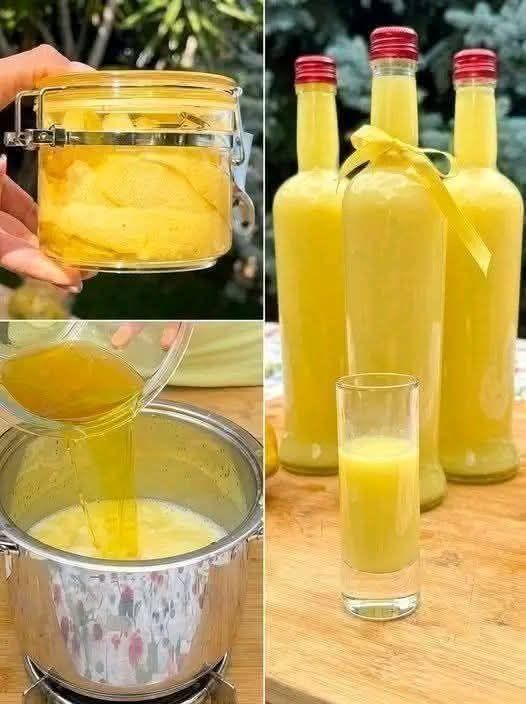
Soothing Ginger Lemon Herbal Drink
This homemade ginger lemon tea is a simple beverage prepared with fresh ginger, lemon, and water, with honey added for optional sweetness. The recipe can be customized with cinnamon, turmeric, black pepper, or fresh mint while keeping the base ingredients unchanged. It can be served warm for a comforting drink or chilled over ice for a refreshing alternative.
2
servings10
minutes12
minutes18
kcal22
minutesIngredients
2 cups water
1-2 inches fresh ginger root
1 medium lemon
1-2 teaspoon honey (optional, adjust to taste)
- Optional Ingredients
A pinch of turmeric powder
A few fresh mint leaves
1 small cinnamon stick
A pinch of black pepper
Directions
- Wash the ginger thoroughly to remove any dirt. Peel it lightly if preferred, then either slice it thinly for a milder flavor or grate it for a stronger infusion.
- Pour the water into a small saucepan and add the prepared ginger. Bring it to a gentle boil over medium heat, then reduce the heat and let it simmer for 8–12 minutes.
- If using cinnamon, turmeric, or black pepper, add them during the simmering stage so their flavors blend into the tea.
- While the ginger is simmering, cut the lemon in half and squeeze the juice into a small bowl or directly into the serving cup. Remove any seeds.
- Remove the saucepan from the heat and strain the liquid into a cup or mug, leaving behind the ginger pieces and any whole spices.
- Stir the fresh lemon juice into the hot tea. Add honey if desired and mix until dissolved.
- Taste the tea before serving. Add a little more lemon for extra brightness, more honey for sweetness, or a splash of warm water if the flavor is stronger than you prefer
Notes
- Thinly sliced ginger creates a milder tea, while grated ginger produces a stronger flavor.
- Freshly squeezed lemon juice provides the best taste.
- Add the lemon juice after simmering rather than during cooking
- Honey is optional and can be adjusted to suit your preference.
- If using turmeric, include a pinch of black pepper for a well-balanced flavor.
- Cinnamon adds gentle warmth without overpowering the drink.
- Store leftover tea in the refrigerator for up to 2 days.
- Reheat gently if serving warm again, and avoid boiling the tea after adding the lemon juice.
Nutrition Facts
- Total number of serves: 2
- Calories: 18kcal
- Fat: 0.1g
- Saturated Fat: 0g
- Cholesterol: 0mg
- Sodium: 3mg
- Potassium: 65mg
- Carbohydrates: 5g
- Fiber: 0.3g
- Sugar: 4g
- Protein: 0.2g
- Vitamin C: 15mg
- Calcium: 8mg
- Iron: 0.1mg