HOMEMADE BEETROOT PICKLE
Beetroot pickle is a wonderful way to enjoy the earthy sweetness of fresh beetroot in a completely different form. The combination of mustard oil, vinegar, aromatic spices, garlic, ginger, and green chilies transforms simple beetroot into a flavorful pickle that pairs beautifully with everyday meals. Every bite offers a balance of sweetness, tanginess, gentle heat, and the warm aroma of roasted spices.
This recipe follows a traditional method that develops rich flavor while keeping the beetroot slightly firm. Instead of becoming soft and mushy, the pieces remain tender with a pleasant bite. The pickle continues to improve after resting for a few days, allowing the spices and vinegar to blend perfectly with the natural sweetness of the beetroot.
The preparation is straightforward and requires only a few important steps such as boiling the beetroot correctly, roasting the whole spices, heating the mustard oil, and storing everything in a clean, dry jar. Once prepared, this pickle becomes a versatile condiment that can be enjoyed with a variety of meals.
Why This Beetroot Pickle Stands Out
Many pickles focus mainly on heat or sourness, but this version offers a balanced flavor. The sweetness of beetroot is complemented by vinegar and lemon juice, while garlic, ginger, and roasted spices add depth without overpowering the natural taste of the vegetable.
Mustard oil provides the traditional character that makes homemade Indian-style pickles so distinctive. Heating the oil before mixing it with the spices removes its raw flavor and creates a smoother finish.
The result is a pickle that is:
- Sweet with natural beetroot flavor
- Pleasantly tangy
- Mildly spicy
- Richly aromatic
- Slightly crunchy
- Well coated with flavorful oil and spices
Choosing Fresh Beetroot
The quality of beetroot has a noticeable impact on the finished pickle. Fresh beetroot keeps its texture during cooking and absorbs the spices much better than older vegetables.
Look for beetroot that feels heavy compared to its size. A smooth surface and deep red color are good signs of freshness. Medium-sized beetroot usually provides the best flavor because very large beetroot can sometimes become fibrous.
Avoid beetroot that appears shriveled, soft, or dry, as these may not produce the best texture after pickling.
Keeping the Pickle Fresh
One of the most important parts of making pickle is maintaining cleanliness throughout the process.
Before starting, make sure every utensil, bowl, spoon, and jar is completely dry. Even small amounts of moisture can reduce the shelf life of homemade pickle.
Glass jars are ideal because they do not react with vinegar or spices. Washing the jar thoroughly and drying it completely before filling helps preserve the pickle for a longer time.
Preparing the Beetroot
The beetroot is first washed carefully while the skin is still attached. Washing before peeling prevents dirt from transferring to the vegetable.
After boiling, the skin comes off easily. The beetroot should be cooked only until slightly tender. It should still have a firm center because it will continue absorbing moisture while resting in the pickle mixture.
Once cooled, peel away the skin and cut the beetroot into medium-sized cubes, thick sticks, slices, or rounds. Medium cubes are often preferred because they hold their shape well during storage.
Fresh Aromatics Add Flavor
Garlic, ginger, and green chilies provide freshness that balances the richness of mustard oil.
Garlic becomes mellow after lightly cooking in warm oil, while ginger contributes gentle warmth and fragrance.
Green chilies add fresh heat without overwhelming the pickle. Cutting them lengthwise allows their flavor to spread evenly throughout the mixture. Those who prefer less heat can remove the seeds before adding them.
Roasting the Whole Spices
Roasting whole spices is a simple step that greatly improves the finished pickle.
Mustard seeds, fennel seeds, cumin seeds, fenugreek seeds, black pepper, cloves, and cinnamon are gently roasted over low heat until fragrant.
The spices should never become dark or burnt. Gentle roasting releases their natural oils and enhances their aroma.
Once cooled, they are crushed coarsely instead of grinding them into a fine powder. This slight texture gives the pickle more character and creates small bursts of flavor throughout every spoonful.
Heating the Mustard Oil
Mustard oil is widely used in traditional pickles because of its distinctive flavor and excellent preserving qualities.
The oil is heated until it just begins to smoke before being allowed to cool slightly. This process removes its sharp raw taste while maintaining its rich aroma.
Warm oil also helps the powdered spices release their color and flavor more evenly.
Building the Flavor
The cooking process begins by gently sautéing garlic and ginger in the prepared mustard oil.
After a minute or two, green chilies are added, followed by turmeric, red chili powder, crushed red chili, and salt.
Cooking these spices briefly allows them to bloom without burning.
The chopped beetroot is then mixed into the pan so every piece becomes evenly coated with the seasoned oil.
After several minutes, vinegar and lemon juice are added to introduce the characteristic tangy flavor that defines this pickle.
Sugar or jaggery is stirred in next, balancing the acidity and enhancing the natural sweetness of the beetroot without making the pickle overly sweet.
Finally, the roasted crushed spices are added, bringing together all the layers of flavor.
Achieving the Right Texture
A good beetroot pickle should never become mushy.
The beetroot pieces should remain slightly firm while still absorbing the surrounding spices and oil.
Each piece should appear glossy, evenly coated, and surrounded by a mixture of oil and vinegar.
A thin layer of oil naturally rises to the surface, helping protect the pickle during storage.
Cooling Before Storing
After cooking is complete, the pickle should be left undisturbed until it cools completely.
Transferring hot pickle into a jar creates steam inside the container. This moisture can shorten the shelf life and increase the risk of spoilage.
Once cooled, the pickle is transferred carefully into the prepared glass jar using a clean, dry spoon.
Pressing gently removes trapped air pockets and helps distribute the oil evenly.
Resting for Better Flavor
Freshly prepared pickle tastes good, but allowing it to rest improves both flavor and aroma.
Keeping the sealed jar at room temperature for two to three days allows the spices to infuse the beetroot more thoroughly.
Shaking the jar gently once each day helps distribute the oil and spices evenly.
After this resting period, the pickle develops a richer, deeper taste.
Traditional Sun-Curing Method
For a stronger traditional flavor, the filled jar can be placed in sunlight for several days.
During the day, gentle warmth encourages the spices to mature naturally.
The jar should be brought indoors each evening and shaken lightly before returning to sunlight the following day.
This slow curing process creates a fuller flavor while maintaining the pleasant texture of the beetroot.
Serving Suggestions
This beetroot pickle complements many everyday meals.
It pairs particularly well with warm parathas, chapati, dal, rice dishes, and khichdi. It also adds a flavorful contrast to grilled meats, chicken curry, shawarma wraps, burgers, sandwiches, and even fresh salads.
Only a small serving is enough to brighten an entire meal because of its bold flavor.
Storage Tips
Once the resting period is complete, refrigeration is the best option for maintaining freshness.
Always use a clean, dry spoon when serving.
After each use, ensure the remaining pickle is still covered with a thin layer of oil. If necessary, add a little cooled mustard oil to maintain this protective layer.
Avoid introducing water into the jar, as moisture is the most common cause of spoilage.
Signs That the Pickle Should Be Discarded
A properly prepared pickle remains flavorful for a long time when stored correctly.
However, it should not be consumed if it develops an unpleasant smell, visible mold, excessive gas bubbles, sliminess, or an unusually bitter taste.
Checking the jar occasionally helps ensure the pickle remains fresh throughout storage.
Final Thoughts
Homemade beetroot pickle is a delicious combination of sweet, tangy, spicy, and aromatic flavors that becomes even better with time. Fresh beetroot, carefully roasted spices, mustard oil, vinegar, garlic, ginger, and green chilies work together to create a vibrant condiment that complements both simple and elaborate meals.
The recipe is easy to prepare with careful attention to cleanliness, proper cooking, and storage. After a few days of resting, the flavors become beautifully balanced, making this pickle a flavorful addition to everyday dining that can be enjoyed for months when stored properly.
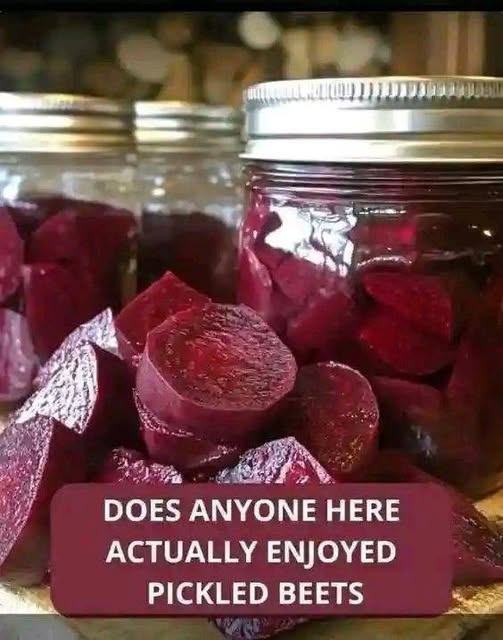
Beetroot Pickle
This homemade beetroot pickle combines the natural sweetness of beetroot with the bold flavors of mustard oil, garlic, ginger, green chilies, vinegar, and aromatic whole spices. The beetroot remains slightly tender while absorbing the rich blend of spices, creating a pickle that is sweet, tangy, mildly spicy, and full of flavor. After resting for a few days, the taste becomes deeper and more balanced, making it a delicious accompaniment to a variety of everyday meals.
20
servings30
minutes45
minutes95
kcalIngredients
1 kg beetroot
20 pcs garlic cloves
1 large piece ginger
1/2 cup mustard oil
10 pieces green chilies
- Vinegar Mixture
1 cup white vinegar
4 tablespoons lemon juice
- Spice Mix
3 tablespoons salt
2 tablespoons red chili powder
1 tablespoons crushed red chili
1 teaspoons turmeric powder
2 tablespoons mustard seeds
2 tablespoons fennel seeds
1 tablespoons cumin seeds
1 teaspoon fenugreek seeds
1 teaspoon nigella seeds
1 teaspoon black pepper
5 pieces cloves
1 small cinnamon stick
4 tablespoons sugar or jaggery
Directions
- Wash the beetroot thoroughly under running water to remove any dirt. Boil the whole beetroot in enough water for 20–30 minutes or until slightly tender. Drain the water and allow the beetroot to cool completely.
Peel off the skin and cut the beetroot into medium-sized cubes, slices, sticks, or rounds. - Peel the garlic cloves.
Slice the ginger into thin strips or chop it finely.
Wash the green chilies, pat them dry, and slit them lengthwise. Remove the seeds if a milder pickle is preferred. - Heat a dry frying pan over low heat.
Add the mustard seeds, fennel seeds, cumin seeds, fenugreek seeds, black pepper, cloves, and cinnamon stick.
Roast for 2–3 minutes until fragrant without allowing the spices to burn.
Remove from the pan, cool completely, and crush them coarsely using a mortar and pestle or spice grinder. - Pour the mustard oil into a pan and heat until it just begins to smoke.
Remove from the heat and let it cool slightly before continuing. - Return the pan to low heat.
Add the garlic and ginger to the warm oil and cook for 1–2 minutes.
Add the green chilies and cook for another minute. - Stir in the turmeric powder, red chili powder, crushed red chili, and salt.
Cook gently for a few seconds while stirring continuously so the spices do not burn. - Add the chopped beetroot to the pan.
Mix well until every piece is coated with the spiced oil.
Cook over low heat for about 5 minutes. - Pour in the white vinegar and lemon juice.
Stir thoroughly so the liquid coats all of the beetroot. - Add the roasted crushed spice sugar or jaggery.
Cook until it dissolves completely into the pickle mixture.
Add the roasted crushed spice mixture and the nigella seeds.
If using the optional carrot, onion slices, raisins, or sesame seeds, stir them in at this stage.
Cook for another 3–5 minutes while stirring gently.
The beetroot should remain slightly firm and evenly coated with the oil and spice mixture.- Remove the pan from the heat and allow the pickle to cool completely before transferring it to storage jars.
- Transfer the cooled pickle into a clean, completely dry glass jar.
Press the pickle gently with a dry spoon and ensure a thin layer of oil covers the surface.
Seal the jar tightly.
Leave it at room temperature for 2–3 days, shaking the jar gently once each day to distribute the spices evenly.
After the resting period, refrigerate the pickle for longer storage.
Notes
- Leave the pickle at room temperature for 2–3 days while it matures
- Refrigerate after the resting period for a longer shelf life.
- Keep the jar tightly sealed after every use.
- Discard the pickle if it develops mold, an unpleasant smell, excessive gas, or a slimy texture.
Nutrition Facts
- Serving Size: 30 g
- Total number of serves: 20
- Calories: 95kcal
- Fat: 8g
- Saturated Fat: 0.6g
- Polyunsaturated Fat: 1.8g
- Monounsaturated Fat: 5.3g
- Cholesterol: 0mg
- Sodium: 520mg
- Potassium: 140mg
- Carbohydrates: 5g
- Fiber: 1.2g
- Sugar: 3g
- Protein: 0.7g
- Vitamin A: 1mcg
- Vitamin C: 6mg
- Calcium: 2mg
- Iron: 3mg