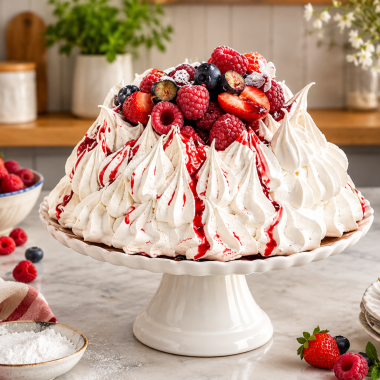
Lemon mousse is a light, creamy dessert made with fresh lemon juice, lemon zest, eggs, sugar, and heavy whipping cream. It has a smooth texture, a delicate citrus aroma, and a refreshing balance of sweet and tangy flavors.
This easy lemon mousse recipe is perfect for family dinners, celebrations, or dinner parties when you want a homemade dessert that looks elegant without requiring complicated ingredients. Serve it in individual glasses with whipped cream or fresh berries for a simple yet attractive presentation.
One of the best things about homemade lemon mousse is that you can prepare it ahead of time. The lemon mixture needs to cool before the whipped egg whites and cream are added, and the finished dessert requires additional chilling.
Although this takes some planning, the preparation is straightforward and allows you to make dessert before your guests arrive. Once chilled, the mousse is cool, creamy, and wonderfully refreshing after a rich or savory meal.
This Lemon Mousse Recipe
This easy lemon mousse recipe combines the richness of eggs and cream with the bright flavor of fresh lemons. The lemon juice provides a pleasant tang, while the zest adds a fragrant citrus note. Granulated sugar balances the acidity, creating a dessert that tastes sweet without losing its fresh lemon character.
Unlike a heavy baked dessert, this mousse has a delicate texture that makes it enjoyable after lunch, dinner, or a special occasion meal.
Another reason to love this recipe is its simple ingredient list. You only need six large eggs, granulated sugar, lemon zest, fresh lemon juice, a pinch of salt, and heavy whipping cream. Each ingredient plays an important role in the final result.
The cooked egg mixture creates the lemon base, beaten egg whites help make it airy, and whipped cream adds a smooth, rich finish. With careful preparation and enough chilling time, these ingredients become a soft and fluffy dessert.
Ingredients for Homemade Lemon Mousse
The quality and temperature of your ingredients can influence the flavor and texture of lemon mousse. Fresh lemons are especially important because both their juice and zest contribute to the citrus flavor. Heavy whipping cream should be cold before beating, while the eggs should be separated carefully so the reserved whites remain free from yolk. Measuring everything before starting also makes the cooking process easier, particularly when preparing the lemon mixture over a water bath.
Fresh Lemon Juice and Lemon Zest
Fresh lemon juice gives this dessert its signature tangy flavor. You will need half a cup of juice, usually obtained from three to four lemons, depending on their size. The zest adds aromatic oils that make the mousse smell fresh and taste more distinctly lemony. Wash and dry the lemons before zesting, and remove only the yellow outer peel. The white pith underneath can taste bitter, so avoid grating too deeply into the fruit.
Eggs
Eggs provide richness and structure to the mousse. Three whole eggs and three additional yolks are whisked with the sugar and lemon ingredients to create the cooked base. The remaining three egg whites are reserved for whipping separately.
When beaten to stiff peaks, the whites help incorporate air into the mixture, producing a lighter consistency. Because the egg whites are not cooked after whipping, use pasteurized eggs for improved food safety, especially when serving children, pregnant people, older adults, or anyone with a weakened immune system.
Granulated Sugar
Granulated sugar balances the acidity of the lemon juice and helps create a pleasant sweetness. Most of the sugar is cooked with the lemon and egg mixture, while the remaining two tablespoons are added when beating the egg whites. This division follows the recipe’s method and helps the different components come together smoothly. Measure the sugar carefully to maintain the intended balance between sweet and tart flavors.
Heavy Whipping Cream
Heavy whipping cream gives lemon mousse its creamy texture and rich mouthfeel. When whipped to stiff peaks, it holds air and helps lighten the lemon base. Keep the cream refrigerated until you are ready to whip it, and use a clean mixing bowl. Watch it closely as it thickens because overwhipping can make the cream grainy. Properly whipped cream should hold its shape while remaining smooth enough to fold gently into the lemon mixture.
How to Make Lemon Mousse Step by Step
Making lemon mousse involves cooking the citrus mixture, chilling it, whipping the egg whites and cream separately, and gently folding everything together. The method is not difficult, but each stage matters. Allowing the lemon base to become completely cold helps preserve the volume of the whipped ingredients. Prepare the components in the order described below, and give yourself enough time for refrigeration before serving.
Step 1: Prepare a Water Bath
Fill a large saucepan with a few inches of water and place it over medium heat. Bring the water to a gentle simmer. Select a heatproof bowl that fits securely over the saucepan without touching the water. This water bath allows the lemon mixture to cook gradually through indirect heat. It helps reduce the risk of overheating the eggs, which can form unwanted curds if exposed to excessive heat.
Step 2: Mix the Lemon Base
In the heatproof bowl, whisk together three whole eggs, three egg yolks, one cup of granulated sugar, two teaspoons of lemon zest, half a cup of fresh lemon juice, and a pinch of salt. Keep the remaining three egg whites in a separate clean bowl for later. Whisk until the mixture is evenly combined. Preparing everything before heating makes the cooking stage easier and helps distribute the citrus flavor and sugar throughout the base.
Step 3: Cook Until Slightly Thickened
Place the bowl over the simmering water and stir the mixture continuously with a wooden spoon or heat-resistant spatula. Cook for approximately 10–15 minutes, or until the mixture thickens slightly. The exact timing may vary depending on the saucepan, bowl, and heat level. Keep the water at a gentle simmer and stir around the bottom and sides of the bowl to encourage even cooking. Avoid allowing the mixture to boil or develop scrambled egg pieces.
Step 4: Cool the Lemon Mixture
Remove the bowl from the heat and let the mixture stand for about 15 minutes. Transfer it to a suitable bowl if needed, then place plastic wrap directly against the surface to help prevent a skin from forming. Refrigerate for at least one to two hours, or until the lemon base is completely chilled. This step is essential because adding whipped cream or egg whites to a warm mixture can reduce their volume and make the finished mousse less airy.
Step 5: Beat the Egg Whites
Place the three reserved egg whites in a clean mixing bowl. Beat on high speed for about one minute, then add the remaining two tablespoons of granulated sugar and continue beating until stiff peaks form. When you lift the beaters, the peaks should stand upright rather than immediately falling over. Make sure the bowl and beaters are free from grease and traces of egg yolk, as these can prevent the whites from reaching the desired consistency.
Step 6: Fold in the Egg Whites
Add the beaten egg whites to the cold lemon mixture. Using a flexible spatula, gently lift the mixture from the bottom of the bowl and fold it over the top. Rotate the bowl as you work, repeating the movement until the whites are mostly incorporated. Avoid vigorous stirring, which can remove the air created during whipping. Gentle folding helps maintain the light texture that makes lemon mousse different from a traditional lemon pudding.
Step 7: Whip the Heavy Cream
Pour the cold heavy whipping cream into a separate bowl and beat on high speed until stiff peaks form. Check the texture regularly as the cream thickens. It should hold its shape when the beaters are lifted while remaining smooth and creamy. Stop beating as soon as it reaches the correct consistency, since overwhipped cream can become grainy and difficult to incorporate evenly into the lemon base.
Step 8: Combine the Ingredients
Gently fold the whipped cream into the lemon mixture containing the beaten egg whites. Work slowly with a spatula, lifting from the bottom and turning the mixture over the cream. Continue until the color and texture are reasonably uniform, without stirring more than necessary. The finished mixture should look pale yellow, creamy, and airy. Spoon it into individual serving glasses, small dessert bowls, or one larger serving dish.
Step 9: Chill and Serve
Refrigerate the assembled mousse for at least 30 minutes before serving. Additional chilling time is fine if you are preparing it ahead. Serve the mousse cold, topped with whipped cream, fresh berries, or a little lemon zest if desired. Individual glasses make portions easy to serve and give the dessert an elegant appearance. For the best presentation, add any fresh fruit or decorative toppings shortly before bringing the mousse to the table.
Tips for Making the Best Lemon Mousse
Chill the Lemon Base Completely
Do not rush the cooling stage. The cooked lemon mixture must be completely cold before the whipped egg whites and cream are added. If it is still warm, the whipped ingredients can lose volume, leaving the mousse heavier than intended. Refrigerating the base for the recommended time also makes the preparation easier to manage. If you are serving guests, prepare this part well in advance rather than trying to speed it up at the last minute.
Fold Rather Than Stir
Folding helps keep the mousse light and fluffy. Use a spatula to lift the mixture from the bottom of the bowl and turn it over the whipped ingredients. Avoid beating or stirring rapidly once the egg whites and cream have been added. Although a few streaks may remain during the first movements, continue gently until the mixture is evenly combined. Overmixing can remove air and change the texture.
Use Fresh, Cold Cream
Cold heavy whipping cream generally whips more easily and holds its structure better than warm cream. Keep it in the refrigerator until you are ready to use it, and start with a clean bowl and beaters. Stop whipping when stiff peaks form. This gives the cream enough structure to blend into the mousse while helping the dessert retain its smooth consistency.
Serving Ideas for Lemon Mousse
Serve With Fresh Berries
Fresh strawberries, raspberries, and blueberries are excellent accompaniments to lemon mousse. Their fruity flavors complement the citrus, while their natural colors make the dessert look appealing. Spoon the mousse into clear glasses and finish each portion with a small swirl of whipped cream and a few berries. A little finely grated lemon zest can add fragrance and make the presentation look complete without requiring much extra preparation.
Use as a Cake Filling
Lemon mousse can inspire a delicious cake filling when paired with a cake designed to support a soft, creamy layer. Vanilla cake and berry-flavored cakes are particularly suitable partners for lemon. Make sure the mousse is well chilled before using it, and provide enough structure to keep the filling in place. This combination works well for birthdays, spring celebrations, and other occasions when you want a dessert with a refreshing citrus flavor.
Make a Fruit Trifle
Layer lemon mousse with pieces of sponge cake and fresh fruit in a glass serving bowl to create a simple fruit trifle. The layers look attractive through the glass and combine creamy, fruity, and soft textures in every serving. Choose berries or other fruits that complement the lemon flavor. Add the layers carefully to keep them distinct, and consider assembling the trifle closer to serving time if you want the cake to retain more of its texture.
How to Store Lemon Mousse
Keep leftover lemon mousse covered in the refrigerator and serve it cold. The original recipe suggests storage for up to five days, but the presence of eggs and cream means careful handling is important. For a safer approach, use pasteurized eggs, refrigerate the mousse promptly at or below 40°F (4°C), and follow the storage guidance for the ingredients you use. Do not leave the dessert at room temperature for extended periods, especially in warm weather. Discard it if it has been mishandled or shows signs of spoilage.
Frequently Asked Questions
Can I Make Lemon Mousse Ahead of Time?
Yes, lemon mousse is well suited to advance preparation because it needs time to chill before serving. You can prepare it several hours ahead, cover it, and refrigerate it until needed. This makes it a useful dessert for dinner parties and celebrations because you can focus on the main meal when guests arrive. Add whipped cream and fresh berries shortly before serving for the freshest appearance.
Why Is My Lemon Mousse Runny?
A runny mousse may result from a lemon base that was not thickened enough, a base that was still warm when the whipped ingredients were added, or egg whites and cream that were not whipped to stiff peaks. Follow the cooking and chilling stages carefully, and fold gently rather than stirring vigorously. Adequate refrigeration also helps the assembled dessert settle before serving.
Can I Use Bottled Lemon Juice?
Fresh lemon juice is recommended because it provides a bright citrus flavor that works well with freshly grated zest. Bottled juice may vary in taste and acidity, so the finished dessert may not taste exactly the same. Fresh lemons are the best option for this recipe because their juice and zest both contribute to the overall flavor.

Lemon Mousse Dessert
 Recipe by admin1
This homemade lemon mousse is a light, fluffy dessert made with fresh lemon juice, lemon zest, eggs, granulated sugar, and heavy whipping cream.
3
servings10
minutes25
minutes675
kcal75
minutes1
hour45
minutesIngredients
6 large eggs
1 cup plus 2 tablespoons granulated sugar, divided
2 teaspoons lemon zest
1/2 cup fresh lemon juice (from approximately 3–4 lemons)
A pinch of salt
1 cup heavy whipping cream
Directions
- Prepare the water bath:
Fill a large saucepan with a few inches of water and bring it to a gentle simmer over medium heat. - Combine the lemon ingredients:
In a heatproof bowl, whisk together 3 whole eggs, 3 egg yolks, 1 cup of sugar, lemon zest, lemon juice, and a pinch of salt. Reserve the remaining 3 egg whites in a separate clean bowl. - Cook the lemon mixture:
Place the heatproof bowl over the simmering water, ensuring it does not touch the water. Stir continuously with a wooden spoon for approximately 10–15 minutes, until the mixture thickens slightly. - Cool the base:
Remove the bowl from the heat and let the mixture stand for 15 minutes. Transfer it to a bowl if needed and press plastic wrap directly onto the surface. Refrigerate for 1–2 hours, or until completely chilled. - Whip the egg whites:
Beat the reserved egg whites on high speed for about 1 minute. Add the remaining 2 tablespoons of sugar and continue beating until stiff peaks form. - Fold in the egg whites:
Gently fold the beaten egg whites into the chilled lemon mixture, using a spatula to preserve as much air as possible. - Whip the cream:
In a separate bowl, beat the heavy whipping cream on high speed until stiff peaks form. - Combine the mousse:
Carefully fold the whipped cream into the lemon mixture until evenly combined and light in texture. - Chill and serve:
Spoon the mousse into individual glasses or dessert bowls. Refrigerate for at least 30 minutes before serving cold. Garnish with whipped cream, fresh berries, or lemon zest if desired.
Nutrition Facts
- Calories: 675kcal
- Fat: 38g
- Carbohydrates: 72g
- Sugar: 67g
- Protein: 13g