Keto Meaty Cabbage Soup
A Hearty Homemade Soup That’s Perfect for Any Day
When I want a filling meal that is simple to prepare and keeps well for several days, this keto meaty cabbage soup is one of my favorite recipes to make. It is loaded with tender beef, fresh cabbage, savory broth, and a blend of everyday seasonings that come together to create a rich and comforting bowl of soup. Every ingredient has a purpose, and after slowly simmering together, the flavors become deep, balanced, and incredibly satisfying.
One of the things I appreciate most about this recipe is how well it fits into a low-carb lifestyle without sacrificing flavor. The combination of ground beef, chunks of stew meat, bacon, and cabbage creates a meal that feels hearty enough to enjoy on its own. Instead of relying on potatoes or pasta for texture, the cabbage becomes soft and tender while absorbing all the savory flavors from the broth.
This is also the kind of recipe that works well for meal prep. A large pot can easily provide enough servings for several meals, and the leftovers often taste even better after spending a night in the refrigerator. The ingredients continue to blend together, creating an even richer soup the next day.
Why This Recipe Turns Out So Flavorful
The secret to this soup is building layers of flavor throughout the cooking process instead of adding everything to the pot at once.
The bacon is cooked first, allowing its flavorful drippings to coat the bottom of the pot. Those drippings help brown both the stew meat and the ground beef, giving the soup a rich, savory base.
Using two different cuts of beef also makes a noticeable difference. Ground beef distributes throughout the broth, while the stew meat stays in tender, bite-sized pieces. Together they create a soup with plenty of texture in every spoonful.
Fresh vegetables add natural sweetness and balance. The onion, celery, mushrooms, bell pepper, and garlic soften as they cook, creating a flavorful foundation without adding unnecessary carbohydrates.
The tomato paste is briefly cooked before the liquids are added. This simple step develops a deeper flavor and removes any raw taste, giving the finished broth a richer color and taste.
Finally, allowing everything to simmer gently gives the cabbage time to soften while the meat becomes tender and the seasonings blend into the broth.
Preparing the Ingredients Before Cooking
Before turning on the stove, I like to have every ingredient ready to go. This makes the cooking process much easier and keeps everything moving smoothly.
I begin by washing the cabbage thoroughly and removing any damaged outer leaves. After cutting it into quarters, I remove the firm core and chop the remaining leaves into bite-sized pieces. The cabbage may seem like a large amount at first, but it shrinks considerably as it cooks.
The celery, onion, and green bell pepper are diced into small pieces so they cook evenly. The mushrooms are sliced, and the garlic is finely minced to help it distribute throughout the soup.
If the beef stew meat isn’t already cut, I divide it into small cubes and pat it dry. Dry meat browns much better than wet meat, creating more flavor during cooking.
I also measure all of the seasonings into one small bowl. Having everything prepared ahead of time makes it easy to add them when needed without stopping during the cooking process.
Building the Base of the Soup
A large Dutch oven or heavy stockpot works best because it holds heat evenly throughout the long simmer.
The bacon goes into the pot first over medium heat. It cooks slowly until crisp, releasing flavorful fat into the bottom of the pot. Once crisp, the bacon is removed and set aside for serving later, while the rendered fat remains in the pot.
Next comes the stew meat. Rather than stirring immediately, I let the beef sit undisturbed for several minutes so each piece develops a deep brown crust. Browning the meat properly creates a richer soup than simply cooking it until no longer pink.
After removing the stew meat, the ground beef is added to the same pot. As it cooks, I break it apart with a wooden spoon until it is evenly browned. Unless there is an excessive amount of grease, I leave some of the fat behind because it contributes both flavor and richness to the finished soup.
Cooking the Vegetables
Once the meat is finished, I reduce the heat slightly before adding the butter or beef tallow if needed.
The onion, celery, mushrooms, and bell pepper are added together and cooked until softened. Stirring occasionally prevents sticking while allowing the vegetables to become tender.
Garlic is added last because it cooks quickly. Just a minute is enough for it to become fragrant without burning.
At this stage, the kitchen already smells wonderful as the vegetables and beef flavors begin coming together.
Developing Even More Flavor
One step that makes a noticeable difference is cooking the tomato paste before adding the broth.
I simply push the vegetables to one side of the pot and spread the tomato paste directly onto the bottom. Stirring it for a couple of minutes allows it to darken slightly, producing a richer flavor that blends beautifully into the soup later.
Although it only takes a few extra minutes, this small technique gives the finished broth much more depth.
Bringing Everything Together
Once the vegetables and tomato paste are ready, the browned stew meat returns to the pot along with the cooked ground beef.
The beef broth and water are poured in, followed by the Worcestershire sauce. As everything is stirred together, I scrape the bottom of the pot to loosen any browned bits left from cooking the meat. Those little pieces dissolve into the broth and add even more flavor.
Next come all of the seasonings, including sea salt, black pepper, smoked paprika, dried thyme, dried oregano, garlic powder, onion powder, crushed red pepper flakes, and bay leaves.
Everything is stirred thoroughly before bringing the soup to a gentle boil.
Adding the Cabbage
The chopped cabbage is added gradually instead of all at once.
At first it fills the pot almost completely, but within several minutes the leaves begin to wilt and soften. As they cook, the cabbage reduces in volume and becomes fully submerged in the broth.
After all of the cabbage has been incorporated, another good stir ensures the vegetables and meat are evenly distributed throughout the soup.
Slow Simmer for the Best Results
Once the soup reaches a gentle boil, the heat is reduced to low.
The pot is partially covered and allowed to simmer slowly for about an hour to an hour and fifteen minutes. During this time I stir every fifteen to twenty minutes.
This gentle cooking process allows the stew meat to become tender while the cabbage softens without falling apart. The herbs and spices slowly blend into the broth, creating a rich, savory flavor throughout the soup.
Keeping the heat low is important because boiling too aggressively can make the beef tougher rather than tender.
Final Touches Before Serving
When the simmering time is complete, the bay leaves are removed and the soup is tasted.
If needed, the seasoning can be adjusted with a little more salt or pepper according to personal preference.
For an even richer keto version, I stir in the butter along with the heavy cream and let the soup cook for another five minutes. These ingredients create a silky texture while adding extra richness without overpowering the broth.
Allowing the soup to rest for about fifteen minutes before serving helps the flavors settle and become even more balanced.
Serving Ideas
This soup is filling enough to enjoy as a complete meal, but I like adding a few toppings for extra flavor and texture.
Fresh chopped parsley adds brightness, shredded cheddar cheese melts beautifully into the hot broth, sour cream provides a creamy finish, and crispy bacon pieces add a smoky crunch.
If I’m serving guests or preparing a larger dinner, I enjoy pairing the soup with keto garlic bread, cheese crisps, buttered low-carb rolls, or creamy cauliflower mash.
Storing Leftovers
One of my favorite things about this recipe is how well it stores.
After the soup has cooled completely, I transfer it to airtight containers and refrigerate it for up to five days. The flavors continue developing overnight, making each bowl even more delicious the following day.
For longer storage, the soup freezes very well. I portion it into freezer-safe containers, leaving a little space for expansion before freezing for up to three months. Thawing overnight in the refrigerator makes reheating simple.
Whether reheated on the stovetop over medium-low heat or warmed in the microwave in short intervals while stirring between each one, the soup maintains its rich texture and satisfying flavor.
This homemade keto meaty cabbage soup is proof that simple ingredients can create an incredibly comforting meal. With tender beef, flavorful vegetables, rich broth, and a careful balance of herbs and spices, every bowl is warm, filling, and perfect for both family dinners and meal prep throughout the week.
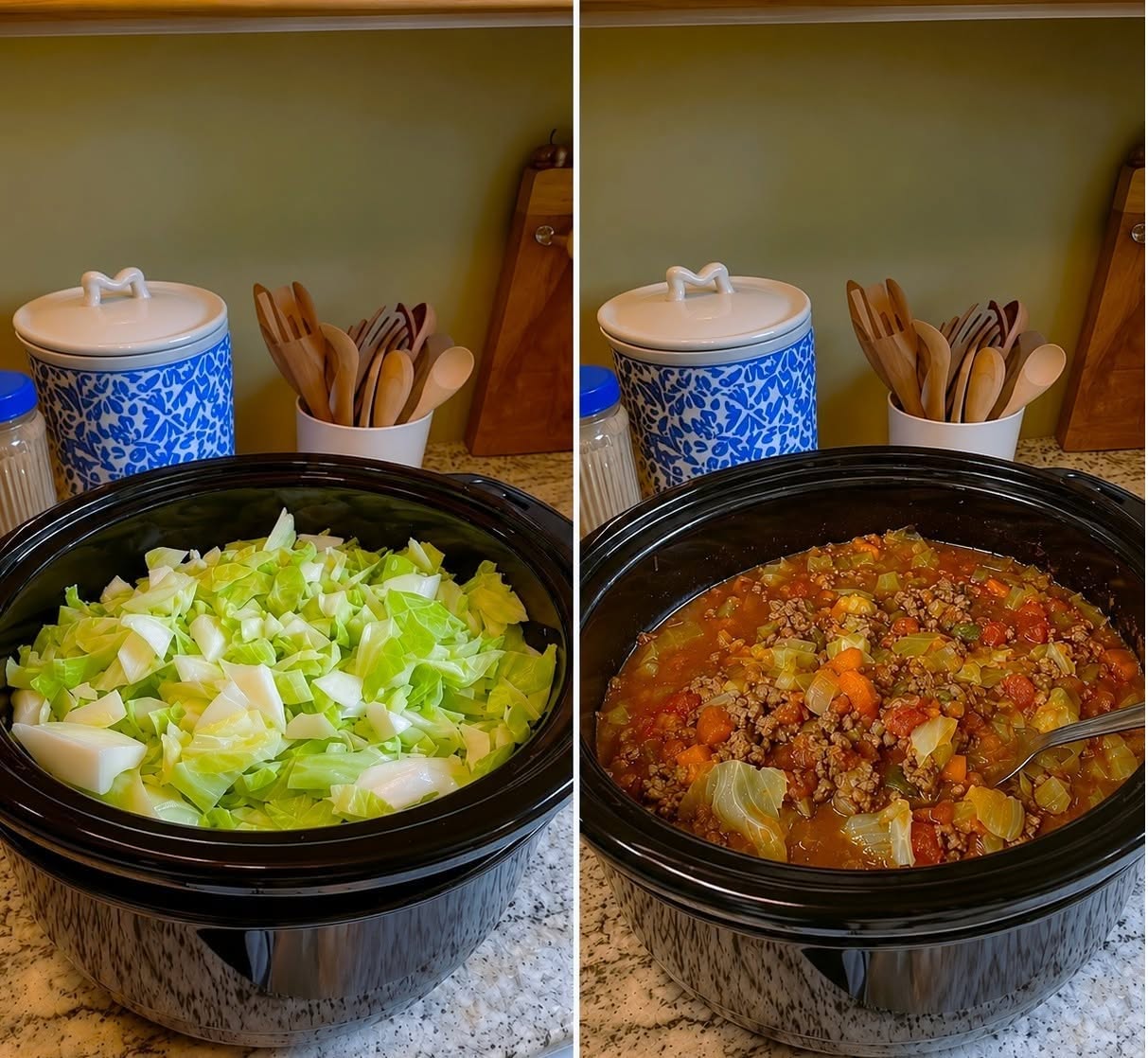
KETO MEATY CABBAGE SOUP
This Keto Meaty Cabbage Soup is a hearty one-pot meal made with ground beef, beef stew meat, bacon, fresh cabbage, vegetables, and a richly seasoned beef broth. Slow simmering allows the ingredients to develop deep, savory flavors while keeping the soup low in carbohydrates and satisfying enough for a complete meal. It’s an excellent make-ahead recipe that reheats beautifully for lunches or dinners throughout the week.
4
servings25
minutes1
hour30
minutes360
kcalIngredients
2 pounds (900 g) ground beef, preferably 80/20
1 pound (450 g) beef stew meat, cut into small cubes
6 slices bacon, chopped
2 tablespoons beef tallow or butter
1 large green cabbage, roughly chopped
2 celery stalks, finely diced
1 medium green bell pepper, diced
1 small onion, finely diced
4 cloves garlic, minced
1 cup mushrooms, sliced
10 cups beef broth
1 cup water
1 tablespoon Worcestershire sauce (check for low sugar if strict keto)
2 tablespoons tomato paste
2 tablespoons butter
2 tablespoons heavy cream (optional for extra richness)
2 teaspoons sea salt
1 teaspoon black pepper
1 teaspoon smoked paprika
1 teaspoon dried thyme
1 teaspoon dried oregano
1 teaspoon garlic powder
1 teaspoon onion powder
1/2 teaspoon crushed red pepper flakes
2 bay leaves
Fresh parsley, chopped
Grated cheddar cheese
Sour cream
Crispy bacon pieces
Directions
- Wash the cabbage thoroughly, remove any damaged outer leaves, cut it into quarters, remove the core, and chop it into bite-sized pieces. Dice the celery, onion, and green bell pepper. Slice the mushrooms and mince the garlic. If needed, cut the stew meat into small cubes and pat it dry with paper towels. Measure the seasonings into a small bowl for easy cooking.
- Heat a large Dutch oven over medium heat. Add the chopped bacon and cook until crisp and golden, stirring occasionally. Transfer the cooked bacon to a paper towel-lined plate, leaving the rendered bacon fat in the pot.
- Increase the heat to medium-high. Add the stew meat in a single layer and brown each side until a rich crust develops. Cook in batches if necessary to avoid overcrowding. Transfer the browned beef to a plate.
- Add the ground beef to the same pot and cook until completely browned, breaking it apart with a wooden spoon as it cooks. Drain only excess grease if needed, leaving some fat in the pot for added flavor.
- Reduce the heat to medium. Add the beef tallow or butter if needed, followed by the onion, celery, bell pepper, and mushrooms. Cook for 6 to 8 minutes until softened. Stir in the minced garlic and cook for another minute until fragrant.
- Move the vegetables to one side of the pot. Add the tomato paste directly to the bottom of the pot and cook for 2 to 3 minutes, stirring frequently until it darkens slightly.
- Return the browned stew meat to the pot along with the cooked ground beef. Pour in the beef broth and water, then stir in the Worcestershire sauce. Scrape the bottom of the pot to release any browned bits into the broth.
- Add the sea salt, black pepper, smoked paprika, dried thyme, dried oregano, garlic powder, onion powder, crushed red pepper flakes, and bay leaves. Stir well and bring the soup to a gentle boil.
- Gradually stir the chopped cabbage into the pot. Continue stirring until the cabbage begins to wilt and fits comfortably beneath the broth.
- Reduce the heat to low and partially cover the pot with a lid. Simmer gently for 60 to 75 minutes, stirring every 15 to 20 minutes, until the cabbage is tender and the beef is fully cooked and flavorful.
- Remove the bay leaves. Taste the soup and adjust the seasoning if needed. For a richer finish, stir in the butter and heavy cream, then simmer for another 5 minutes before serving.
Notes
- Browning both the stew meat and ground beef adds extra depth of flavor.
Cooking the tomato paste before adding the broth creates a richer taste.
Simmer gently rather than boiling to help keep the beef tender.
The soup often tastes even better after resting overnight in the refrigerator.
Heavy cream is optional but adds a smooth, creamy finish.
Nutrition Facts
- Calories: 360kcal
- Fat: 24g
- Saturated Fat: 10g
- Cholesterol: 95mg
- Sodium: 890mg
- Potassium: 720mg
- Carbohydrates: 8g
- Fiber: -1g
- Protein: 28g
- Calcium: 90mg
- Iron: 3.5mg