If you are looking for the best Oreo Cheesecake Fluff recipe, this creamy, light, and irresistible dessert is an excellent choice. Combining rich cream cheese, fluffy whipped cream, sweet vanilla, and crunchy Oreo cookies, this no-bake dessert creates a perfect balance of texture and flavor. Whether you are preparing a quick family dessert, a party treat, or an easy make-ahead recipe, Oreo Cheesecake Fluff delivers impressive results with very little effort. Since it requires no baking, it is ideal for beginners and experienced home cooks alike. Every spoonful offers a smooth cheesecake filling combined with delicious cookie pieces, making it one of the most popular easy Oreo dessert recipes for every season.
Why Oreo Cheesecake Fluff Is So Popular
One of the biggest reasons people love this dessert is its simplicity. Unlike traditional cheesecakes that require baking, cooling, and careful preparation, this recipe comes together in just a few easy steps. The fluffy texture makes it lighter than a classic cheesecake while still delivering the same rich, creamy flavor. Oreo cookies add chocolate crunch throughout the dessert, making every bite interesting and satisfying. This combination of convenience, taste, and beautiful presentation has made Oreo Cheesecake Fluff one of the most searched no-bake cheesecake desserts online. It is perfect for birthdays, family gatherings, holidays, or whenever you need a quick dessert without turning on the oven.
The Secret to an Ultra Creamy Cheesecake Fluff
The texture of this dessert depends on using the right preparation techniques rather than complicated ingredients. Fully softened cream cheese blends smoothly into the mixture without leaving lumps. Very cold heavy whipping cream creates a stable whipped texture that keeps the dessert airy and light. Powdered sugar dissolves easily, producing a silky consistency that granulated sugar cannot achieve. Gentle folding rather than vigorous stirring helps preserve the air incorporated during whipping. These simple techniques transform basic ingredients into a smooth, cloud-like dessert that feels luxurious while remaining incredibly easy to prepare at home.
Understanding the Role of Each Ingredient
Every ingredient contributes something important to the final dessert. Full-fat cream cheese creates the signature cheesecake flavor and provides richness. Heavy whipping cream adds volume and gives the fluff its light, airy consistency. Powdered sugar sweetens the mixture while keeping it perfectly smooth. Vanilla extract enhances every flavor without overpowering the cookies, while a small pinch of salt balances the sweetness and makes the chocolate notes more noticeable. Oreo cookies contribute their famous chocolate and cream flavor while adding both fine crumbs and crunchy pieces that create multiple layers of texture throughout the dessert.
Choosing the Best Cream Cheese
High-quality full-fat cream cheese delivers the richest flavor and smoothest consistency. Reduced-fat versions often contain additional moisture, which may affect the firmness of the dessert. Before mixing, allow the cream cheese to soften completely at room temperature. This important step helps it blend effortlessly with the sugar and prevents stubborn lumps from appearing in the mixture. Properly softened cream cheese also creates a creamier cheesecake base, giving the finished fluff a professional-quality texture that resembles desserts served in restaurants and bakeries.
Why Cold Whipping Cream Matters
Heavy whipping cream performs best when it is thoroughly chilled before whipping. Cold cream traps air more effectively, creating stable soft peaks that hold their shape after folding into the cheesecake mixture. If the cream becomes warm, it may not whip properly, resulting in a thinner dessert that lacks volume. Chilling both the cream and the mixing bowl can improve results even further. Paying attention to temperature is one of the easiest ways to achieve the light, fluffy texture that makes this Oreo Cheesecake Fluff so enjoyable.
Powdered Sugar Creates a Smooth Finish
Although it may seem like a small detail, powdered sugar makes a noticeable difference in this dessert. Because it dissolves quickly, it blends seamlessly into the softened cream cheese, producing a silky filling without any grainy texture. Granulated sugar requires more mixing and may not dissolve completely, especially in no-bake recipes. Using powdered sugar helps maintain the dessert’s soft consistency while also allowing the natural flavors of the cream cheese and Oreo cookies to stand out beautifully.
Preparing the Oreo Cookies Correctly
The Oreo cookies are divided into two different textures to create the perfect balance throughout the dessert. Finely crushed cookies blend evenly into the cheesecake mixture, adding chocolate flavor to every spoonful. The roughly chopped cookies remain slightly chunky, providing satisfying bites of crunchy cookie between the creamy filling. Separating the cookies this way creates a more interesting dessert than using only crumbs. The contrast between smooth cheesecake fluff and crunchy Oreo pieces gives this recipe its signature texture that keeps everyone coming back for another serving.
Building a Light and Airy Cheesecake Base
The cheesecake base begins by beating softened cream cheese until it becomes completely smooth. Gradually adding powdered sugar allows the mixture to remain creamy while incorporating sweetness evenly. Vanilla extract and a pinch of salt complete the flavor profile without overwhelming the dessert. At this stage, the mixture should look silky, glossy, and easy to spread. Creating a smooth foundation before adding the whipped cream ensures that the final dessert has a consistent texture from the first bite to the last.
Folding Instead of Mixing
One of the most important techniques in this recipe is folding the whipped cream into the cheesecake mixture. Folding gently preserves the tiny air bubbles created while whipping the cream, keeping the dessert light and fluffy. Stirring too aggressively removes this trapped air, resulting in a denser mixture. Using slow, sweeping motions with a spatula ensures everything combines evenly while maintaining the soft, cloud-like consistency. This gentle approach is what transforms an ordinary cheesecake mixture into an airy Oreo Cheesecake Fluff.
Chilling Improves Flavor and Texture
Although the dessert can technically be eaten immediately after mixing, refrigeration greatly improves both texture and flavor. During chilling, the cheesecake mixture becomes slightly firmer while the Oreo crumbs absorb a small amount of moisture, creating a perfect balance between creamy filling and soft cookie pieces. The flavors also have time to blend together, producing a richer cheesecake taste. Chilling for two to three hours provides the best overall results, although one hour is sufficient if you are short on time.
Creative Ways to Serve Oreo Cheesecake Fluff
One of the greatest advantages of this dessert is its versatility. It can be served in elegant dessert glasses for dinner parties or spooned into small jars for picnics and celebrations. It also works beautifully as a cookie dip with graham crackers, vanilla wafers, or additional Oreo cookies. Some people enjoy layering it with crushed cookies to create parfaits, while others use it as a filling for mini tart shells or between cake layers. These serving options make the recipe suitable for both casual family meals and special occasions.
Easy Decoration Ideas
Presentation makes this dessert even more appealing. A sprinkle of Oreo cookie crumbs over the top creates a classic finish that immediately signals its delicious flavor. A swirl of freshly whipped cream adds elegance, while a drizzle of chocolate sauce creates extra richness and visual appeal. Individual dessert cups can be garnished just before serving to maintain freshness. Since the dessert already has a beautiful creamy appearance, simple decorations are usually all that is needed to create an attractive presentation worthy of celebrations and holiday tables.
Notes
Getting the Best Results
Always allow the cream cheese to soften completely before mixing. Cold cream cheese can leave lumps that are difficult to remove later. Keep the whipping cream refrigerated until the moment you are ready to whip it, and avoid overwhipping, which can produce a grainy texture. Fold ingredients gently instead of stirring vigorously to maintain the dessert’s light consistency.
Texture Troubleshooting
If the dessert seems too soft, it usually needs additional refrigeration or the whipping cream may not have reached soft peaks. If the mixture becomes too dense, it may have been overmixed after adding the whipped cream. Gentle folding and proper chilling solve most texture problems while helping the dessert maintain its signature airy consistency.
Storage Tips
Store Oreo Cheesecake Fluff in an airtight container in the refrigerator for up to three days. If the mixture settles slightly during storage, stir it gently before serving to restore its smooth consistency. Freezing is not recommended because it can separate the dairy ingredients and change the creamy texture after thawing.
Why This Oreo Cheesecake Fluff Recipe Belongs in Your Dessert Collection
Oreo Cheesecake Fluff combines everything people love in an easy dessert recipe. It offers the creamy richness of classic cheesecake, the crunch of Oreo cookies, and the convenience of a completely no-bake preparation. The recipe requires only a handful of everyday ingredients yet produces a dessert that looks elegant enough for celebrations and tastes delicious enough for any occasion. Whether served in individual cups, layered into parfaits, or enjoyed straight from the serving bowl, this fluffy cheesecake dessert consistently delivers outstanding flavor and texture. Its quick preparation, impressive appearance, and irresistible taste make it a dependable favorite that both children and adults will request again and again.
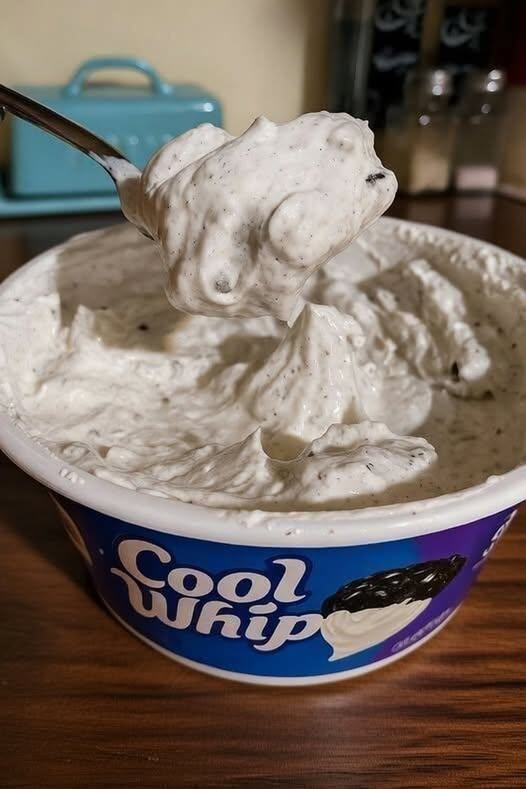
Oreo Cheese Cake Fluff
A rich, creamy, and fluffy no-bake Oreo Cheesecake Fluff made with smooth cream cheese, freshly whipped cream, powdered sugar, vanilla, and Oreo cookies.
8
servings20
minutes2
hours430
kcal2
hours20
minutesIngredients
- Cheesecake Base
225 g (8 oz) full-fat cream cheese, completely softened
1 cup heavy whipping cream, very cold
1 cup powdered sugar
1 teaspoon vanilla extract
Pinch of salt
- Oreo Layer
20 Oreo cookies
14 cookies, finely crushed
6 cookies, roughly chopped
- Optional Garnishes
2 tablespoons Oreo cookie crumbs
Extra whipped cream
Directions
- Finely crush 14 Oreo cookies until they resemble coarse crumbs. Roughly chop the remaining 6 cookies into chunky pieces. Keep both portions separate.
- Pour the cold heavy whipping cream into a chilled mixing bowl. Beat on medium speed until soft peaks form. Refrigerate while preparing the cheesecake mixture.
- Place the softened cream cheese into a large bowl and beat until completely smooth.
- Gradually add the powdered sugar and continue beating until the mixture becomes light and creamy.
- Mix in the vanilla extract and pinch of salt until fully incorporated.
- Fold one-third of the whipped cream into the cream cheese mixture to lighten the base.
- Add the remaining whipped cream in two additions, folding gently after each addition until no white streaks remain.
- Fold the finely crushed Oreo cookies evenly throughout the mixture.
- Gently fold in the chopped Oreo pieces, using only a few strokes to preserve the fluffy texture.
- Spoon the mixture into a large serving bowl or individual dessert cups and smooth the surface.
- Cover and refrigerate for at least 1 hour, preferably 2 to 3 hours, before serving.
- Garnish with Oreo crumbs and whipped cream if desired before serving.
Nutrition Facts
8 servings per container
- Amount Per ServingCalories430
- % Daily Value *
- Total Fat
30g
39%
- Total Carbohydrate
38g
14%
- Protein 5g 10%
* The % Daily Value tells you how much a nutrient in a serving of food contributes to a daily diet. 2,000 calories a day is used for general nutrition advice.