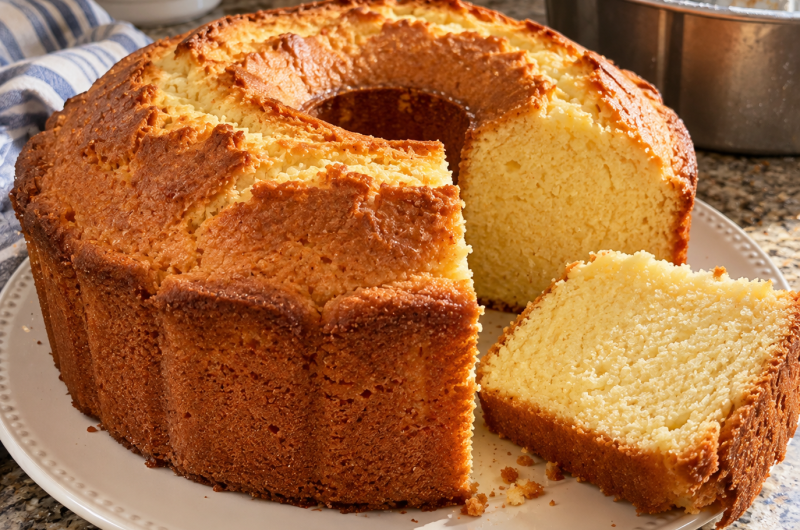
Million Dollar Pound Cake is a classic Southern-style dessert known for its rich buttery flavor, tender crumb, and beautifully golden exterior. Made with only seven main ingredients, this traditional pound cake proves that a memorable homemade dessert does not require a complicated ingredient list. Butter, sugar, eggs, all-purpose flour, milk, almond extract, and vanilla extract come together to create a substantial yet tender cake that can be served plain or paired with your favorite dessert toppings.
Unlike many modern cake recipes, this Million Dollar Pound Cake contains no baking powder or baking soda. Instead, its rise comes largely from the air incorporated into the butter, sugar, and eggs during mixing. That makes the preparation technique especially important. Properly creaming the butter and sugar and gradually incorporating the eggs creates the structure needed for a beautifully risen cake with the dense-but-tender texture expected from an old-fashioned pound cake.
The recipe is baked slowly at 300°F in a 10-inch tube pan. The lower oven temperature and long baking time allow the thick batter to cook evenly through the center without causing the outside to brown too quickly. Once completely cooled, the cake slices neatly and can be served on its own or alongside fresh fruit, whipped cream, fruit sauce, lemon curd, chocolate sauce, caramel sauce, or ice cream.
What Makes Million Dollar Pound Cake Special?
The appeal of this Million Dollar Pound Cake recipe comes from the balance between richness and simplicity. There is a full pound of unsalted butter in the batter, giving the cake its distinctive buttery character. Six large eggs provide structure and richness, while milk supplies additional moisture. Almond and vanilla extracts work together to create the familiar aromatic flavor associated with classic homemade pound cake.
Despite containing three cups of sugar, the cake is not dependent on frosting or filling for its appeal. The flavor is built directly into the batter, making the finished cake satisfying enough to serve plain. This also makes it versatile. A simple slice works well with coffee or tea, while adding berries, whipped cream, fruit compote, or another topping can transform it into a more elaborate dessert.
Another defining characteristic is the absence of chemical leavening. Many cake recipes rely on baking powder or baking soda to create lift. This recipe instead uses careful mixing to incorporate air into the batter. The technique is traditional, but it remains straightforward when each stage is completed patiently.
The Seven Ingredients Behind This Classic Pound Cake
The ingredient list is remarkably short for such a rich cake. Unsalted butter forms the foundation, while sugar provides sweetness and contributes to the cake’s tenderness. Large eggs supply structure and body, and all-purpose flour gives the batter enough strength to hold its shape during the long baking process.
Milk introduces moisture and helps create a more tender crumb. The final two ingredients are almond extract and vanilla extract. Vanilla gives the cake a familiar warm sweetness, while almond extract provides a distinctive bakery-style aroma that makes the flavor more complex without requiring additional ingredients.
Because the recipe depends on such a small group of ingredients, each one has an important role. The original method recommends avoiding unnecessary substitutions where possible. Changing the main ingredients can alter the balance of fat, moisture, structure, and flavor that gives this Million Dollar Pound Cake its traditional character.
Why Room-Temperature Ingredients Matter
For the best pound cake texture, the butter and other ingredients should be at an appropriate temperature before mixing. Softened butter is particularly important because it must be beaten until creamy and light. Butter that is too cold will not aerate properly, while butter that is overly warm or melted cannot trap air in the same way.
Room-temperature eggs also combine more smoothly with creamed butter and sugar. Adding very cold eggs to a butter mixture can make the batter harder to blend evenly. Giving the ingredients enough time to lose their refrigerator chill before beginning therefore helps create a smoother, more consistent batter.
The same principle applies to milk. Ingredients that are reasonably close in temperature generally combine more easily than ingredients with extreme temperature differences. Since this cake depends heavily on mixing technique rather than baking powder or baking soda, preparing the ingredients properly before starting is particularly worthwhile.
Creaming the Butter Correctly
The first major step is beating the softened unsalted butter at medium speed with an electric mixer until it becomes creamy. During this process, the butter should gradually become lighter in color. Depending on the power and design of the mixer, this stage may take anywhere from approximately one to seven minutes.
This is more than simply softening or blending the butter. Beating incorporates tiny pockets of air, and those air pockets contribute to the cake’s eventual rise. Since there is no baking powder or baking soda in the recipe, this mechanical aeration is a fundamental part of the preparation.
Stop the mixer periodically and scrape the sides and bottom of the bowl. Butter can cling to areas that the beaters do not reach efficiently. Scraping ensures that everything is evenly beaten before the sugar is introduced and prevents dense patches of unmixed butter from remaining in the batter.
Creaming Butter and Sugar for a Light Texture
Once the butter is creamy, gradually add the three cups of sugar while continuing to beat at medium speed. Avoid dumping all the sugar into the bowl at once. Slow incorporation allows the sugar to blend more evenly with the butter while the mixer continues introducing air into the mixture.
Continue beating until the butter and sugar become light and fluffy. The mixture should become noticeably paler than when you started. Properly creamed butter and sugar can retain a slightly grainy appearance because the sugar crystals do not completely dissolve at this stage, but the texture should not feel like a loose mixture of butter and dry sugar.
This stage is particularly important in a pound cake without chemical leavening. Rushing the creaming process may reduce the amount of air trapped in the batter, potentially affecting the final volume and texture. Taking enough time here is one of the simplest ways to improve the finished cake.
Adding the Eggs One at a Time
Add the six large eggs individually rather than all at once. After adding an egg, beat only until the visible yellow yolk disappears into the butter and sugar mixture before adding the next one. This gradual method helps the eggs combine evenly with the fat-rich batter.
Continue scraping the bowl when necessary. Batter can accumulate along the sides and bottom, and leaving those areas unmixed can produce an inconsistent texture. Regular scraping keeps the mixture uniform without requiring unnecessarily aggressive mixing later.
Eggs perform several jobs in this Million Dollar Pound Cake. They provide structure, richness, moisture, and additional aeration. Because there are six eggs in the recipe, introducing them carefully helps maintain a stable batter and supports the classic pound cake texture.
Adding Flour and Milk Without Overmixing
Once the butter, sugar, and eggs have been properly combined, begin adding the four cups of all-purpose flour and ¾ cup of milk. The recipe calls for alternating between flour and milk, beginning and ending with flour. Add each portion gradually and mix at low speed only until it has blended into the batter.
Alternating the ingredients makes it easier to incorporate a relatively large amount of flour without creating an overly thick or difficult-to-mix batter. It also allows the milk to distribute gradually rather than being poured into the mixture all at once. The batter should eventually become smooth and evenly combined.
At this point, avoid extended mixing. The earlier creaming stages benefit from thorough beating because air needs to be incorporated. Once flour enters the batter, however, excessive mixing can work against the desired tender texture. Mix only until the visible flour disappears, using a rubber spatula gently if necessary to remove remaining lumps.
Adding Almond and Vanilla Extract
After the flour and milk have been incorporated, stir in one teaspoon of almond extract and one teaspoon of vanilla extract. These two flavorings complement the butter and give the finished cake a richer aroma than vanilla alone.
Almond extract has a concentrated flavor, which is why only one teaspoon is required for such a large cake. Combined with the vanilla, it creates the recognizable flavor profile associated with many traditional pound cakes. The extracts should be distributed evenly without beating the batter for an extended period.
Because this recipe is designed around these seven primary ingredients, retaining both extracts preserves its intended flavor. No frosting, glaze, or additional flavoring is necessary for the cake to taste complete.
Preparing the Tube Pan
Preheat the oven to 300°F and prepare a 10-inch tube pan before transferring the batter. Thoroughly grease the inside of the pan with vegetable shortening or butter. Pay attention to corners, the center tube, and any areas where batter could stick.
After greasing, dust the surface lightly with flour. Rotate and tap the pan so the flour coats the greased areas evenly. Remove excessive loose flour rather than leaving heavy deposits inside the pan. Careful pan preparation makes releasing the finished pound cake much easier.
A parchment liner can also help with release where appropriate, but the essential preparation remains thorough greasing and flouring. Pound cake is relatively large and heavy, so sticking can make removal difficult and may damage the otherwise attractive golden exterior.
Baking Million Dollar Pound Cake at 300°F
Transfer the finished batter to the prepared 10-inch tube pan and spread it evenly. Place the pan on the middle rack of an oven preheated to 300°F. Bake for approximately 1 hour and 40 minutes, keeping in mind that individual ovens can vary.
The relatively low baking temperature is important for such a large, dense cake. A hotter oven could cause the exterior to brown too rapidly while the thick center remains underbaked. Slow baking gives heat enough time to travel through the batter more evenly.
Avoid repeatedly opening the oven during the early part of baking. Each time the door opens, heat escapes and the oven temperature changes. Allow the cake plenty of uninterrupted baking time before beginning to check for doneness near the end of the expected baking period.
How to Tell When Pound Cake Is Done
Because ovens differ, baking time should be treated as an important guide rather than the only indication of doneness. The original recipe recommends inserting a long wooden pick into the center of the cake. When the pick comes out clean, the cake has finished baking.
You can begin checking approximately 15 minutes before the expected finishing time, particularly if your oven tends to bake quickly. Checking slightly early is preferable to allowing the cake to bake far beyond the point of doneness, which can make a pound cake unnecessarily dry.
Do not begin testing repeatedly too early, however. The center needs enough time to establish its structure. Once the cake is deeply golden, aromatic, and approaching the expected 1-hour-40-minute baking time, a wooden pick provides a straightforward way to determine whether the center is ready.
Cooling the Pound Cake Properly
After removing the Million Dollar Pound Cake from the oven, place the pan on a wire rack and allow it to cool for approximately 10 to 15 minutes. This short resting period gives the cake enough time to firm slightly before you attempt to remove it.
If the edges appear to be sticking, carefully run a butter knife or offset spatula around the necessary areas before turning out the cake. Work gently so you do not damage the exterior. Thorough greasing and flouring before baking should make this process much easier.
After removing the cake from the pan, place it on a wire rack and allow it to cool completely. Waiting before slicing is worthwhile because a fully cooled pound cake has a more stable crumb and produces cleaner slices than one cut while still very warm.
How to Serve Million Dollar Pound Cake
One of the advantages of a classic buttery pound cake is that it does not require frosting. A plain slice allows the vanilla, almond, butter, and caramelized baked flavors to remain at the center of the dessert. It can be served at room temperature or slightly warm depending on your preference.
For a more elaborate dessert, the original serving suggestions include caramel sauce, lemon curd, chocolate sauce, seasonal fruit compote, fresh berries, whipped cream, and ice cream. These accompaniments can be served separately so each person can customize an individual slice.
Fresh strawberries, raspberries, blueberries, or other seasonal fruit provide a fresh contrast to the cake’s richness. Whipped cream adds softness without covering the flavor, while ice cream turns a simple slice into a more indulgent plated dessert.
How to Store Million Dollar Pound Cake
Once completely cooled, Million Dollar Pound Cake can be covered and kept at room temperature for up to five days according to the original storage guidance. Keep it properly covered to reduce exposure to air, which can gradually dry the cut surfaces.
For longer refrigerated storage, the cake can be kept for up to one week. Again, covering it properly is important. If storing individual slices, placing them in a suitable airtight container can make it easier to remove only the portions needed.
The cake can also be frozen, making it a useful make-ahead dessert. Freezing is particularly convenient when preparing desserts in advance for gatherings or when you want to preserve part of a large cake rather than serving all 10 to 12 portions immediately.
Notes for the Best Million Dollar Pound Cake
Make sure the ingredients are at room temperature before mixing, especially the butter and eggs. Give the butter and sugar enough mixing time to become light and fluffy because this recipe does not use baking powder or baking soda. The air incorporated during mixing plays an important role in producing the cake’s rise and texture.
Measure the flour carefully and level the measuring cup rather than packing extra flour into it. Too much flour can change the moisture balance and make the cake heavier or drier. Once the flour is being incorporated, reduce the mixer speed and stop mixing as soon as the ingredients are blended.
Prepare the tube pan thoroughly so the finished cake releases cleanly. Finally, use a long wooden pick to test the center for doneness and allow the cake to cool completely before slicing. These straightforward details help produce neat slices with a tender, even crumb.
Common Pound Cake Problems to Avoid
A heavy or poorly risen pound cake can result when the butter and sugar have not been creamed sufficiently. Because this recipe contains no chemical leavening, do not rush those early mixing stages. Softened butter should first become creamy, and the butter-sugar mixture should then become visibly lighter and fluffier.
A dry cake may result from too much flour or excessive baking. Measure the four cups of flour carefully and begin checking the cake near the end of the stated baking period. Every oven behaves somewhat differently, so the wooden-pick test is more reliable than simply adding extra baking time without checking.
Overmixing after the flour has been introduced can also affect texture. The goal changes at this stage: instead of trying to incorporate more air, you simply need to blend the flour and milk evenly. Low-speed mixing and gentle final stirring are sufficient.
Why This Classic Pound Cake Is Worth Making
Million Dollar Pound Cake combines a straightforward ingredient list with the kind of rich flavor and texture that makes traditional baking so appealing. There are no elaborate fillings, frostings, or decorating techniques involved. Instead, the quality of the dessert comes from butter, eggs, careful mixing, gentle flavoring, and slow baking.
Its generous 10-to-12-serving size also makes it useful for family gatherings, holidays, celebrations, potlucks, or make-ahead desserts. Since it can be served plain or paired with numerous toppings, the same cake can suit both casual and more formal occasions.
Most importantly, the technique is repeatable. Once you become familiar with creaming the butter and sugar properly, adding eggs individually, alternating the flour and milk, and baking slowly at 300°F, the recipe becomes a dependable option whenever you need a classic homemade cake.
Important Notes
Million Dollar Pound Cake is a rich, buttery dessert built around seven familiar ingredients and a traditional mixing method. Unsalted butter and sugar create the foundation, eggs contribute structure, flour provides stability, milk supplies moisture, and almond and vanilla extracts give the cake its distinctive aroma. No baking powder or baking soda is needed because careful mixing incorporates the air required for the cake’s rise.
Allow enough time for each important stage rather than rushing the process. Cream the butter properly, gradually incorporate the sugar, add the eggs individually, and alternate the flour with the milk. Once the flour is added, mix gently and only until everything is blended. Bake slowly at 300°F until a wooden pick inserted into the center comes out clean.
After cooling completely, the cake is ready to slice and enjoy as it is or dress up with fruit, whipped cream, sauces, lemon curd, or ice cream. Its classic flavor, substantial size, and excellent storage potential make this Million Dollar Pound Cake a versatile homemade dessert for everyday baking and special occasions alike.
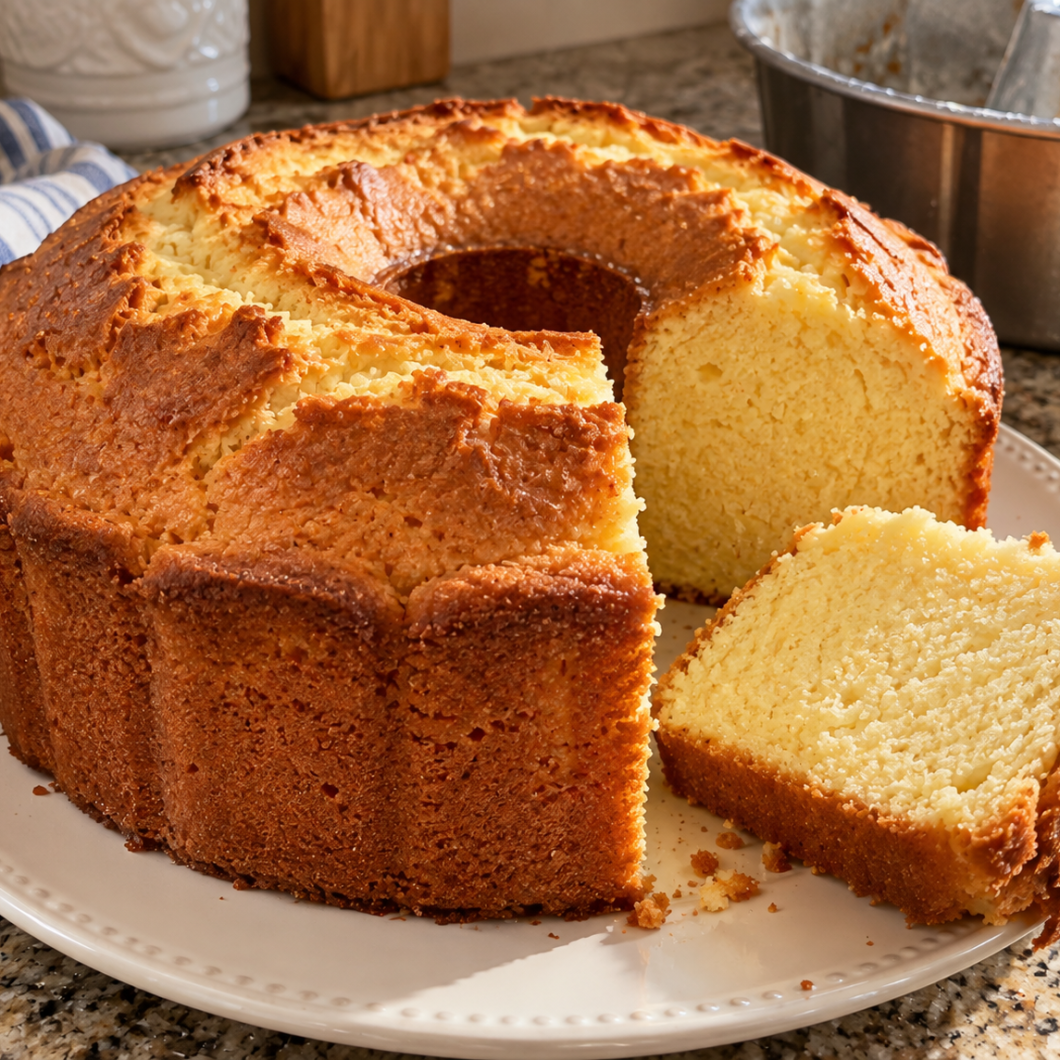
Million Dollar Pound Cake
A classic Million Dollar Pound Cake with a rich buttery flavor, tender crumb, and fragrant blend of vanilla and almond.
12
servings30
minutes1
hour40
minutes15
minutes2
hours25
minutesIngredients
1 lb. unsalted butter, softened
3 cups sugar
6 large eggs
4 cups all-purpose flour, plus more for the pan
¾ cup milk
1 teaspoon almond extract
1 teaspoon vanilla extract
Directions
- Preheat the oven to 300°F. Thoroughly grease a 10-inch tube pan with vegetable shortening or butter, then lightly dust it with flour.
- Beat the softened butter at medium speed with an electric mixer until creamy and noticeably lighter in color.
- Gradually add the sugar. Continue beating at medium speed until the butter and sugar mixture becomes light and fluffy.
- Add the eggs one at a time, beating after each addition only until the visible yolk disappears into the mixture.
- Add the flour and milk alternately, beginning and ending with the flour. Mix at low speed just until combined after each addition.
- Gently stir the batter with a rubber spatula if needed to remove any remaining flour lumps.
- Stir in the almond extract and vanilla extract until evenly incorporated.
- Transfer the batter to the prepared 10-inch tube pan and spread it evenly.
- Bake on the middle oven rack at 300°F for approximately 1 hour and 40 minutes.
- Insert a long wooden pick into the center. The cake is ready when the pick comes out clean.
- Place the pan on a wire rack and allow the cake to cool for 10–15 minutes.
- Carefully remove the cake from the tube pan and transfer it to the wire rack.
- Allow the Million Dollar Pound Cake to cool completely before slicing and serving.