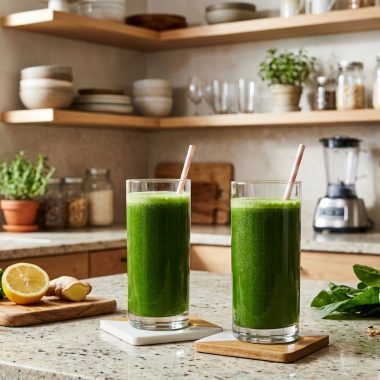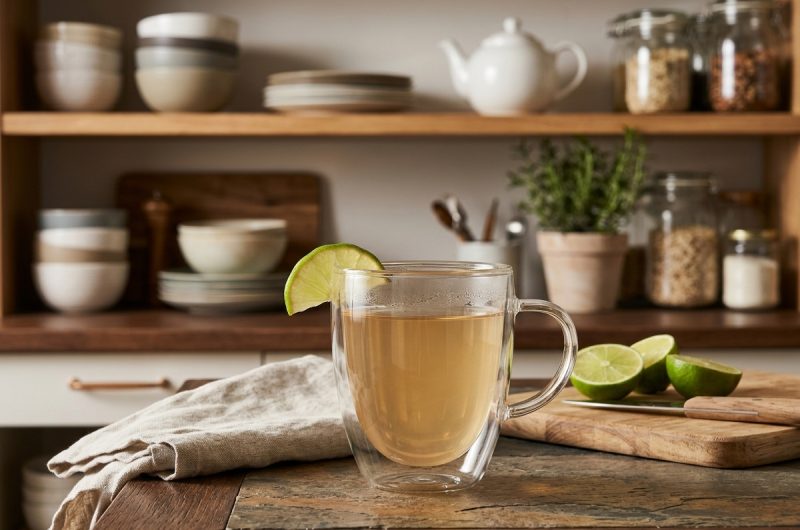
Lemon water is one of those drinks I like to keep simple. There is no need for a long list of ingredients or complicated preparation. Fresh lemon, cold water, and a little ice are enough to make a light and refreshing drink. If I want a softer, sweeter taste, I add a small amount of honey or sugar. A few mint leaves can also give it a fresh aroma.
The most important part is using a good, juicy lemon. Since there are only a few ingredients in this drink, the lemon makes a noticeable difference. A fresh lemon gives the water a clean citrus flavor, while an older or dry lemon may produce very little juice and can make the drink taste flat.
This recipe makes about 500 ml, or roughly 2 cups, of lemon water. It is a convenient amount for one large serving. The same basic method can also be used to prepare a larger pitcher when making lemon water for several people.
Choosing a Good Lemon
I start with the lemon because that is where most of the flavor comes from. When choosing one, I look for a lemon that feels heavy for its size. A heavier lemon usually has a good amount of juice inside.
The skin should look smooth and bright yellow. A lemon that gives slightly when gently squeezed is also a good choice. It should not feel completely hard. A fresh citrus aroma is another useful sign that the lemon is in good condition.
I avoid lemons with large soft spots, mold, or other obvious signs of spoilage. Extremely hard lemons that feel dry can also be disappointing because they may not provide much juice.
There is no need to choose a perfect-looking lemon, but it should be fresh and juicy. Since the drink depends on fresh lemon juice rather than bottled flavoring, starting with a good lemon makes the finished drink much better.
Getting the Lemon Ready
Before cutting the lemon, I wash it thoroughly under running water. Even though only the juice is going into the drink, washing the outside is a simple step that helps remove dirt and anything sitting on the skin.
After washing, I dry the lemon with a clean towel. Then I roll it firmly across the countertop using the palm of my hand. I apply gentle pressure while rolling it back and forth.
This small step helps loosen the inside of the lemon and can make it easier to get the juice out. It is especially useful when the lemon feels a little firm.
Once the lemon has been rolled, I cut it in half. Both halves are ready to juice.
Getting as Much Juice as Possible
I use a bowl while squeezing the lemon so the juice is easy to collect and any seeds can be removed before the lemon water is mixed.
I hold one half of the lemon over the bowl and squeeze it firmly while rotating the lemon. Rotating the lemon as I squeeze helps get more of the available juice from the inside.
After squeezing one half, I check the bowl for seeds and remove them. Then I repeat the process with the other half.
Depending on the size and freshness of the lemon, one lemon should give approximately 2–4 tablespoons of fresh lemon juice. There can be some variation, so I do not worry if the amount is slightly different.
The goal is not to force every last drop from the lemon. I simply want enough fresh juice to give the water a noticeable citrus flavor without making it unnecessarily sharp.
Mixing the Lemon Water
Once the lemon has been juiced, I pour the fresh juice into a large glass or pitcher. I then add 500 ml, or 2 cups, of cold water.
I stir the mixture thoroughly for about 20–30 seconds. This gives the lemon juice enough time to spread evenly through the water instead of staying concentrated at the bottom.
At this point, I taste the drink before adding anything else. Fresh lemon juice can vary quite a bit, so tasting it is the easiest way to decide whether the flavor needs adjusting.
The ideal taste is bright and refreshing. The lemon should be easy to notice, but it should not be so sour that the drink becomes unpleasant.
Adjusting the Taste
If the lemon water tastes too sour, I have two simple options. I can add another 50–100 ml of water at a time and stir again. Adding water gradually is better than adding too much at once because it gives me more control over the final flavor.
If I prefer a sweeter drink, I can add 1 teaspoon of honey or sugar and stir until it dissolves. If necessary, I can add a second teaspoon.
I avoid adding a large amount of sweetener right away. A small amount is usually enough to soften the sharpness of the lemon while keeping the drink light and citrusy.
If the lemon water tastes too weak, I add a little more fresh lemon juice. I stir it again and taste it before deciding whether it needs any further adjustment.
The idea is to find a balance rather than making the drink extremely sweet or extremely sour.
Making Honey Lemon Water
Honey is an easy way to make the drink a little smoother and sweeter. If I am using honey, I add 1–2 teaspoons to the fresh lemon juice before adding the water.
I stir the honey and lemon juice together until the honey has dissolved as much as possible. Then I add the cold water and mix everything thoroughly.
Adding the honey to the lemon juice first makes it easier to combine than adding it to a full glass of very cold water. The finished drink still has the fresh lemon flavor, but the sweetness rounds out some of the sourness.
Sugar can be used in the same amount if preferred. The choice between honey and sugar is simply a matter of taste.
Adding Fresh Mint
Fresh mint is optional, but it gives lemon water another layer of freshness. I use 4–6 mint leaves, wash them, and gently press them between my fingers.
There is no need to crush the leaves heavily. A gentle press is enough to release some of their natural oils and aroma.
The mint leaves can then be added directly to the glass. I let the drink sit for about 5 minutes so the mint has some time to infuse into the water.
The result is still a simple lemon drink, but with a cool, fresh mint aroma. If I want a very clean lemon flavor, I can simply leave the mint out.
Making It Extra Cold
For a particularly refreshing glass, I use refrigerated water and add 4–6 ice cubes after mixing the lemon water.
Starting with cold water means the drink is already chilled, while the ice makes it even colder when served.
I usually add the ice after the lemon juice and water have been mixed and adjusted. This makes it easier to taste the drink first and decide whether it needs more water, lemon juice, or sweetener.
A thin slice of lemon can also be added as a garnish. It does not change the basic recipe, but it makes the drink look fresh and inviting when served.
Preparing a Larger Pitcher
When I want more than one serving, the recipe can be increased to make a 2-liter pitcher.
For the larger version, I use 4 lemons and 2 liters of water. If sweetness is wanted, I add 2–4 tablespoons of honey or sugar. Ice cubes and fresh mint leaves can be added according to preference.
I juice all four lemons and pour the juice into a large pitcher. Then I add the water and stir thoroughly.
If I am using honey or sugar, I add it and stir until it is well incorporated. Fresh mint can be added at this stage as well.
I refrigerate the pitcher for at least 30 minutes before serving. This gives the drink time to become properly chilled and allows the flavors to settle together.
Before serving, I stir the pitcher once more. Ice can be added to individual glasses or directly to the pitcher.
Serving the Lemon Water
Fresh lemon water works well with many light meals. It can be served alongside breakfast foods, salads, grilled vegetables, rice dishes, light sandwiches, or fruit platters.
It also works perfectly well on its own. The fresh lemon gives the water a bright flavor without making it complicated or heavy.
For serving, I like to keep the drink cold and add ice when needed. A thin lemon slice on the rim or in the glass is optional. A few mint leaves can also be added for extra freshness.
Keeping Leftover Lemon Water
If there is lemon water left over, I keep it refrigerated. For the freshest flavor, it is best consumed within 24 hours.
When lemon slices or mint leaves are left in the drink for a long time, their flavors can become stronger. This is not necessarily a problem, but the drink may taste different after sitting for several hours.
Before serving leftover lemon water, I give it a good stir. This helps redistribute the lemon juice and any ingredients that may have settled.
A Few Simple Tips
The easiest way to get good lemon water is to pay attention to the basics. A fresh, juicy lemon is more important than adding lots of extra ingredients.
I also prefer to adjust the flavor gradually. If the drink is too strong, add water little by little. If it is too weak, add a little more lemon juice. If it is too sour, a small amount of honey or sugar can balance it.
Cold water and ice make the drink especially refreshing, while mint gives it a brighter aroma. None of these additions are necessary, though. The basic combination of fresh lemon juice and cold water is enough.
The recipe is flexible without changing its simple character. It can be made as a single 500 ml serving or prepared as a 2-liter pitcher for several servings.
The finished lemon water should taste fresh, clean, and pleasantly citrusy. The lemon should stand out, but the sourness should remain balanced. With a juicy lemon, properly chilled water, and a few minutes of preparation, it makes a simple homemade drink that is easy to prepare whenever something refreshing is wanted.
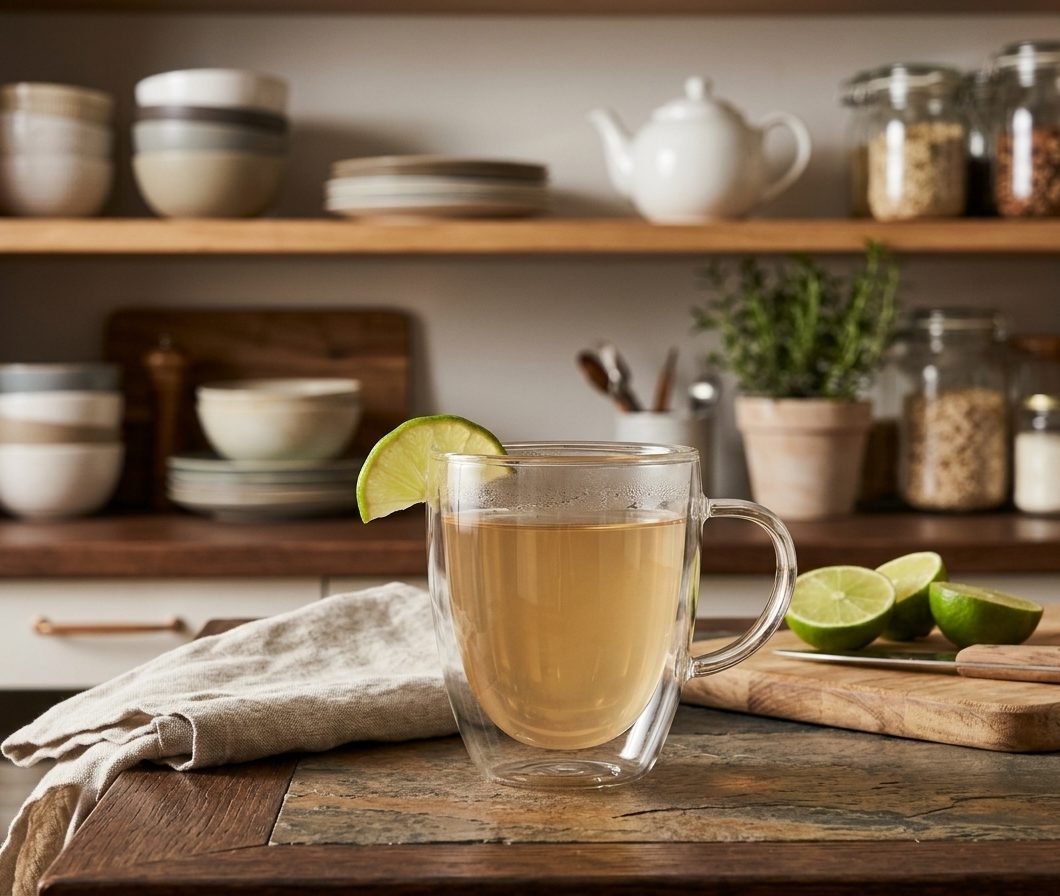
Healthy Lemon Water Drink
A simple, refreshing homemade drink made with fresh lemon juice and cold water. Honey or sugar, mint, ice, and a lemon slice can be added according to taste.
1
servings10
minutes15
minutes8
kcalIngredients
1 fresh lemon
500 ml (2 cups) cold water
4–6 ice cubes, optional
1–2 teaspoons honey or sugar, optional
A few fresh mint leaves, optional
1 thin slice of lemon for garnish, optional
Directions
- Wash the lemon thoroughly under running water and dry it with a clean towel.
- Roll the lemon on the countertop with gentle pressure from the palm of your hand.
- cut the lemon in half
- Squeeze both halves over a bowl, rotating the lemon while squeezing. Remove any seeds.
- Pour the fresh lemon juice into a large glass or pitcher.
- Add the cold water and stir thoroughly for 20–30 seconds.
- Taste and adjust the flavor. Add 50–100 ml more water if it is too sour, or add 1–2 teaspoons honey or sugar for sweetness.
- If the drink tastes too weak, add a little more fresh lemon juice and mix again.
- For mint lemon water, gently press 4–6 washed mint leaves and add them to the drink. Let it sit for about 5 minutes.
- Add 4–6 ice cubes and garnish with a thin lemon slice if desired.
- For the pitcher version, combine the lemon juice and 2 liters of water, add optional sweetener and mint, stir well, and refrigerate for at least 30 minutes before serving.
Notes
- Choose lemons that feel heavy for their size, have smooth bright yellow skin, give slightly when squeezed, and have a fresh citrus aroma.
- Avoid lemons that are extremely hard and dry, have large soft spots, or show mold or spoilage.
- Store prepared lemon water in the refrigerator.
- For the freshest flavor, consume within 24 hours.
- If using lemon slices or mint, the flavor may become stronger after several hours.
- Stir before serving if the lemon water has been refrigerated for several hours