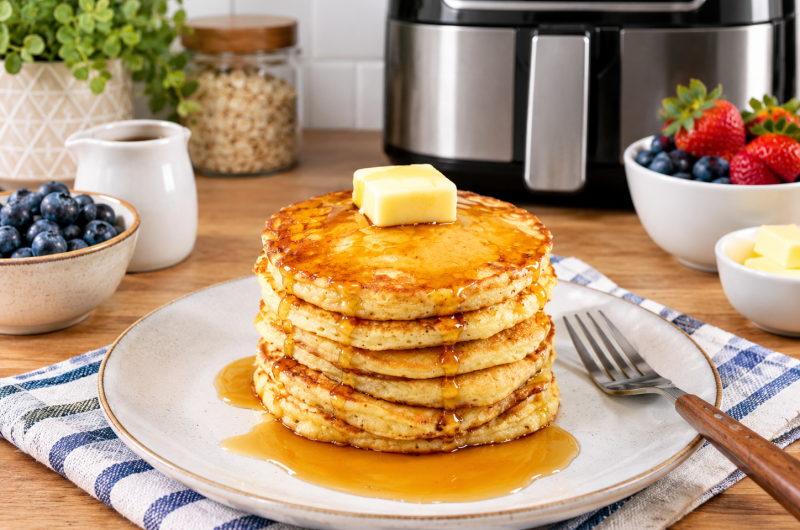
If you are looking for a breakfast that is easy to prepare, satisfying, and packed with extra protein, these fluffy cottage cheese pancakes are worth adding to your morning routine. They have the familiar golden edges and soft, tender centers you expect from homemade pancakes, while cottage cheese gives the batter a creamy texture and a useful boost of protein. The best part is that the cottage cheese is blended until smooth, so the finished pancakes have a light texture without large curds throughout the batter.
These homemade cottage cheese pancakes are made with everyday ingredients and can be prepared in just a few simple steps. Instead of reaching for a boxed pancake mix, you can combine flour, baking powder, eggs, milk, vanilla, sugar, and whipped cottage cheese to create a fresh breakfast from scratch. The batter comes together quickly, making this an excellent choice for busy mornings, weekend breakfasts, lunchboxes, or a simple family meal.
Why Cottage Cheese Works So Well in Pancakes
Cottage cheese is a surprisingly useful ingredient for pancake recipes because it contributes moisture, richness, and protein without making the finished pancakes heavy. When cottage cheese is blended in a food processor, its texture changes completely. The curds become smooth and creamy, allowing the ingredient to blend naturally with milk, eggs, and vanilla. This creates a batter that cooks into soft, fluffy pancakes with a delicate texture.
Another advantage is that cottage cheese has a mild flavor. Once combined with vanilla, sugar, flour, and the other ingredients, it does not overpower the pancakes. Instead, it works quietly in the background while helping create a more satisfying breakfast. This makes the recipe especially useful for people who want to include more protein in their meals without relying entirely on protein powders or specialty ingredients.
What Makes These Pancakes Light and Fluffy
The texture of homemade pancakes depends on several small details, and the baking powder in this recipe plays an important role. Baking powder helps the batter rise as it cooks, producing pancakes that are noticeably thicker and softer than flat, dense pancakes. The eggs also contribute structure, while the milk provides enough liquid to bring the ingredients together into a spoonable batter.
One important detail is not to overmix the batter. After the wet cottage cheese mixture is combined with the dry ingredients, stir only until everything is incorporated. A few lumps are completely fine. Overmixing can develop too much gluten in the flour and may result in pancakes that are tougher rather than tender. For the best cottage cheese pancakes, gentle mixing is one of the simplest things you can do.
Ingredients You Need
This cottage cheese pancake recipe uses a short list of familiar ingredients. Cottage cheese forms the protein-rich base, while milk, eggs, and vanilla create the wet mixture. All-purpose flour provides structure, baking powder gives the pancakes their lift, and a small amount of sugar adds gentle sweetness. Cooking spray or butter is used to grease the pan so the pancakes cook evenly and develop a lightly golden surface.
The ingredients are straightforward enough that you may already have most of them in your kitchen. Milk of your choice can be used, which makes the recipe convenient when you already have a preferred type of milk available. The result is a classic homemade pancake with a slightly richer nutritional profile thanks to the cottage cheese and eggs.
How to Make Cottage Cheese Pancakes
Blend the cottage cheese
Start by placing the cottage cheese into the bowl of a food processor. Blend it until it becomes completely smooth, which should take about two minutes. This step is important because it removes the noticeable curd texture and creates a creamy mixture that can easily combine with the other wet ingredients. Take your time during this step if needed, especially if your cottage cheese is particularly thick.
Combine the wet ingredients
Transfer the smooth cottage cheese to a medium bowl. Add the milk, eggs, and vanilla extract, then whisk everything together until the mixture is well combined. The eggs should be incorporated evenly, and the mixture should have a consistent appearance before it is added to the dry ingredients.
Mix the dry ingredients
In a separate large bowl, whisk together the all-purpose flour, baking powder, and sugar with the kosher salt specified in the original instructions. Mixing these ingredients separately helps distribute the baking powder throughout the flour, which promotes more consistent rising as the pancakes cook.
Bring the batter together
Pour the cottage cheese mixture into the bowl containing the dry ingredients. Stir gently until the ingredients are just combined. Do not try to make the batter perfectly smooth. A slightly lumpy pancake batter is desirable because excessive stirring can affect the final texture. Once there are no large pockets of dry flour, stop mixing.
Cook the pancakes
Place a nonstick griddle or skillet over medium heat and grease the surface with cooking spray. Spoon approximately ¼ cup of batter onto the heated cooking surface for each pancake. Allow the pancakes to cook without moving them around too much. As they cook, bubbles will begin to appear across the surface.
When bubbles have formed across the entire surface, carefully flip each pancake once. Continue cooking for another one to two minutes, or until the second side is cooked and lightly golden. Avoid repeatedly flipping the pancakes because doing so can interfere with their ability to remain light and fluffy.
How to Get the Best Results
The easiest way to improve the texture of these pancakes is to pay attention to the consistency of the batter and the temperature of the pan. The batter should be thick enough to hold its shape briefly when spooned onto the griddle but still spread naturally. If your pan is too hot, the outside may brown before the center has enough time to cook. Medium heat gives the pancakes enough time to rise and cook through.
It is also helpful to give the griddle enough time to preheat before adding the batter. A properly heated nonstick pan allows the pancakes to cook more evenly and makes flipping easier. Greasing the cooking surface lightly with cooking spray or butter can also help prevent sticking and encourage a pleasant golden finish.
Serving Ideas for Cottage Cheese Pancakes
These pancakes are delicious straight from the griddle, but there are plenty of ways to serve them. Fresh fruit is an easy choice, particularly berries, sliced bananas, peaches, or apples. You can also add a spoonful of yogurt for a creamy topping or drizzle the pancakes with your preferred syrup for extra sweetness.
For a more filling breakfast, serve a stack alongside additional breakfast favorites. Because these pancakes already contain cottage cheese and eggs, they can fit naturally into a balanced breakfast. They are also convenient for meal preparation because cooked pancakes can be cooled and stored for later use.
Cottage Cheese Pancakes for Meal Prep
One of the most useful features of this recipe is that the pancakes can be prepared ahead of time. If you have a busy weekday schedule, make a batch when you have more time and allow the cooked pancakes to cool completely. Store them in an airtight container in the refrigerator or freezer as directed in the recipe.
For freezer storage, arrange the cooled pancakes carefully so they are easy to separate when needed. When you want a quick breakfast, remove the amount you need and reheat them until warmed through. This makes homemade cottage cheese pancakes a practical alternative to packaged breakfast foods and a convenient option for families.
Why These Pancakes Are a Good Breakfast Choice
A breakfast should ideally be enjoyable as well as satisfying, and these pancakes offer both qualities. The combination of flour, milk, eggs, and cottage cheese creates a filling meal with carbohydrates and protein, while the modest amount of sugar provides sweetness without turning the recipe into an overly sweet dessert-style pancake.
According to the provided nutrition information, each serving contains 15 grams of protein and 359 calories. The recipe also provides calcium, potassium, and other nutrients. Nutritional values can vary depending on the specific cottage cheese and milk used, but the provided figures offer a useful estimate for planning your meal.
Common Mistakes to Avoid
One common mistake is blending the cottage cheese for too little time. If it remains very lumpy, you may notice curds in the finished pancakes. While that is not necessarily a problem, blending until smooth creates the intended silky texture and allows the cottage cheese to disappear more naturally into the batter.
Another mistake is overmixing after the flour is added. Pancake batter does not need to look perfectly smooth. Stirring too much can produce a denser result. Finally, avoid cooking the pancakes over excessively high heat. Medium heat is more forgiving and allows the centers to cook properly while the surfaces develop an attractive golden color.
Notes for Better Pancakes
For the fluffiest result, blend the cottage cheese until smooth before combining it with the milk, eggs, and vanilla. Keep the wet and dry mixtures separate until you are ready to make the batter, then stir them together gently. Remember that small lumps are acceptable and do not mean the batter needs additional mixing.
When cooking, use approximately ¼ cup of batter per pancake to keep the portions relatively even. Wait for bubbles to appear across the surface before flipping. Once flipped, the pancakes need only another one to two minutes of cooking. Serve them immediately for the best texture, or cool them completely before storing.
Frequently Asked Questions
Can you taste the cottage cheese?
Blending the cottage cheese until smooth significantly reduces its noticeable texture. Its flavor is also mild, especially once combined with vanilla, milk, eggs, flour, and sugar. The finished pancakes taste much more like traditional homemade pancakes than a strongly flavored cottage cheese dish.
Why are my cottage cheese pancakes dense?
Dense pancakes can result from overmixing the batter, using an unsuitable pan temperature, or not allowing the baking powder to provide enough lift. Stir the wet and dry ingredients only until combined, and cook the pancakes over medium heat rather than very high heat.
Can these pancakes be made ahead?
Yes. Once cooked, the pancakes can be cooled completely and stored in an airtight container in the refrigerator or freezer. Preparing them ahead can make weekday breakfasts much easier, especially when you want a homemade option that can be reheated quickly.
What should I serve with cottage cheese pancakes?
Fresh fruit, yogurt, or your preferred pancake topping can complement these pancakes nicely. They can also be served as part of a larger breakfast with other foods. Their mild flavor makes them flexible enough for both simple and more elaborate breakfast plates.
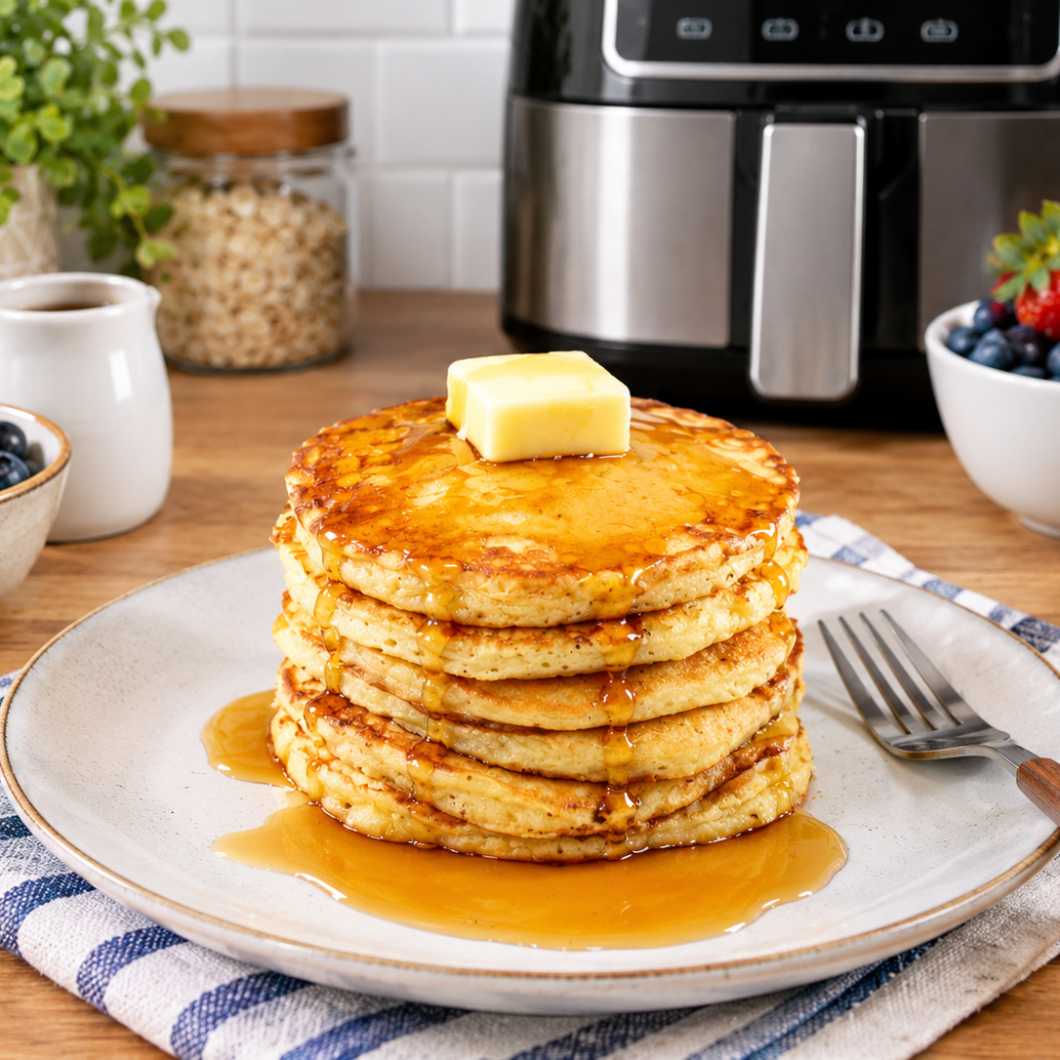
High-Protein Fluffy Cottage Cheese Pancakes
Light, fluffy homemade cottage cheese pancakes made with blended cottage cheese, milk, eggs, vanilla, flour, baking powder, and sugar.
4
servings10
minutes5
minutes15
minutesIngredients
1/2 cup cottage cheese
1 1/2 cups milk of choice
2 large eggs
2 teaspoons vanilla extract
2 cups all-purpose flour
4 teaspoons baking powder
1 Tablespoon sugar
Cooking spray or butter, for greasing pan
Directions
- Place the cottage cheese in a food processor. Blend for approximately 2 minutes, or until the cottage cheese becomes completely smooth.
- Transfer the blended cottage cheese to a medium bowl. Whisk in the milk, eggs, and vanilla extract until the wet mixture is evenly combined.
- In a separate large bowl, whisk together the all-purpose flour, baking powder, sugar, and ¼ teaspoon kosher salt as specified in the original preparation instructions.
- Add the cottage cheese mixture to the bowl of dry ingredients. Stir gently just until the ingredients come together. The batter should remain slightly lumpy rather than completely smooth.
- Heat a nonstick griddle or skillet over medium heat. Lightly grease the cooking surface with cooking spray or butter.
- Spoon approximately ¼ cup of batter onto the heated griddle for each pancake.
- Cook until bubbles appear across the entire surface of the pancakes.
- Flip each pancake once and continue cooking for another 1 to 2 minutes, until cooked through and lightly golden.
- Serve the pancakes immediately, or allow them to cool completely before placing them in an airtight container for refrigerator or freezer storage.
Nutrition Facts
- Total number of serves: 1
- Calories: 359kcal
- Fat: 7g
- Carbohydrates: 57g
- Fiber: 2g
- Sugar: 9g
- Protein: 15g