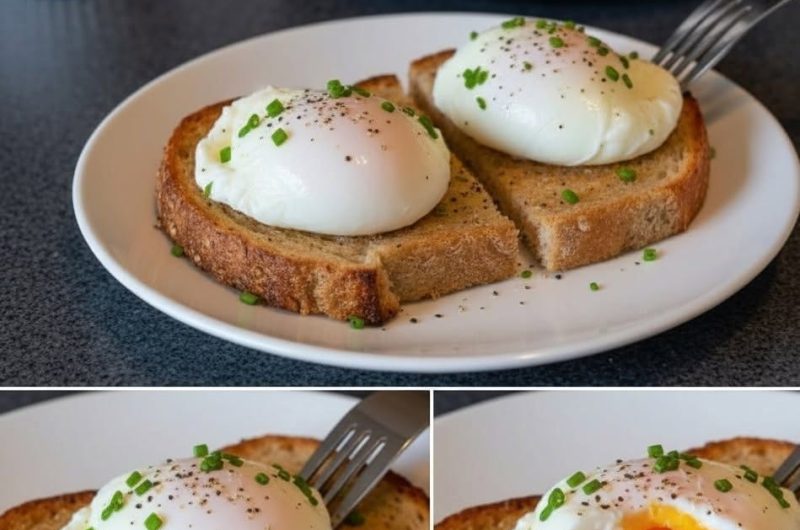
A Simple Way I Make Perfect Poached Eggs at Home
Poached eggs have always been one of those breakfast dishes that look elegant but can feel a little intimidating to prepare. Traditional poaching usually involves simmering water, adding vinegar, creating a whirlpool, and carefully dropping the egg into the center. While that method certainly works, it also requires attention and practice to get consistent results.
At home, I prefer a much easier approach that gives me soft egg whites and beautifully runny yolks with very little effort. Instead of standing over a pot of simmering water, I use my air fryer and a couple of small ramekins. The process is straightforward, easy to repeat, and works well whether I’m making breakfast for myself or preparing a meal for my family.
The best part is that the ingredients are incredibly simple. All I need are eggs, a little cooking oil to grease the ramekins, water, and a pinch of salt and pepper for serving. There are no complicated techniques involved, and cleanup is minimal.
This recipe has become one of my favorite breakfast options because it saves time while still producing eggs with a delicate texture. Once you find the ideal cooking time for your own air fryer, making poached eggs becomes almost effortless.
Why I Like Making Poached Eggs in the Air Fryer
One reason I reach for my air fryer is consistency. Unlike stovetop poaching, where water temperature can fluctuate, the air fryer provides an even cooking environment. After making this recipe several times, it becomes easy to repeat the same results.
Another advantage is convenience. While the eggs are cooking, I can prepare toast, slice avocado, cook bacon, or make coffee without having to watch a pot of water.
This method is also beginner-friendly. If you’ve avoided poached eggs because they seemed difficult, this recipe removes most of the guesswork. The eggs cook inside individual ramekins, which helps them keep their shape and makes handling much easier.
I also appreciate that the recipe doesn’t require special ingredients. Everything needed is already available in most kitchens.
The Ingredients
Olive Oil Spray or Avocado Oil Spray
A light coating of cooking spray helps prevent the eggs from sticking to the ramekins. This makes removing the cooked eggs much easier without breaking the delicate whites.
If I don’t have cooking spray available, I simply place a little oil on a paper towel and lightly coat the inside of each ramekin.
Large Eggs
Fresh large eggs work best because they hold their shape nicely while cooking. The fresher the eggs, the firmer the whites tend to be.
Since this recipe only uses two eggs, it’s perfect for a quick breakfast, although it can easily be repeated if your air fryer has enough space.
Water
Water is an important part of this cooking method. Each egg should be surrounded by enough water to remain submerged during cooking. Keeping the egg covered helps produce tender whites instead of allowing them to dry out.
Room-temperature water works perfectly well, so there’s no need to heat it beforehand.
Salt and Pepper
The eggs are seasoned after cooking. A small sprinkle of salt and freshly ground black pepper is often all that’s needed to bring out their natural flavor.
Equipment I Use
Although the ingredient list is short, using the right equipment makes the process much smoother.
Air Fryer
Almost any basket-style air fryer works for this recipe. Since cooking temperatures can vary slightly between models, the exact cooking time may need a small adjustment after the first attempt.
Small Ramekins
I use two 4-ounce ramekins because they hold a single egg comfortably while leaving enough room for the water.
Small Spoon or Mini Spatula
Once the eggs have partially cooked, I gently loosen the edges using a small spoon or silicone spatula. This prevents sticking and helps the eggs slide out cleanly.
Small Strainer
After cooking, the remaining water needs to be drained away. A small strainer makes this step quick and easy without damaging the eggs.
Oven Mitts
The ramekins become quite hot during cooking, so using oven mitts helps safely remove them from the air fryer.
Preparing Everything Before Cooking
Before turning on the air fryer, I like to have everything ready.
First, I lightly grease the ramekins with cooking spray. Next, I add enough room-temperature water to each ramekin so the egg will remain submerged. Then I gently crack one egg into each ramekin, trying not to break the yolk.
Once the air fryer has finished preheating, I carefully place the ramekins into the basket. Since they contain hot water later in the cooking process, I move them slowly to avoid spilling.
With everything prepared beforehand, the rest of the cooking process becomes simple and stress-free.
Cooking the Eggs
Once the ramekins are in the preheated air fryer, I let the eggs cook without opening the basket too often. Keeping the air fryer closed allows the heat to circulate evenly, which helps the egg whites cook while keeping the yolks soft.
After about six minutes, I carefully remove the basket and check the eggs. At this stage, the whites are usually beginning to set while the yolks are still soft. Using a small teaspoon or a mini silicone spatula, I gently run around the inside edge of each ramekin. This small step helps release the egg from the sides and prevents it from sticking once it finishes cooking.
If the whites still look slightly translucent, I return the ramekins to the air fryer for another one to two minutes. Every air fryer cooks a little differently, so I use the appearance of the egg rather than relying only on the timer.
Once the whites are completely set and the yolks have reached the consistency I like, I carefully remove the ramekins using oven mitts.
Draining the Eggs
Because the eggs cook in water, the final step is to remove the excess liquid.
I gently pour each ramekin into a small strainer. The water drains away while the egg stays intact. This takes only a few seconds but makes a noticeable difference when serving.
After draining, I carefully transfer the poached eggs onto a plate or directly onto toast.
Finally, I season them with a little salt and freshly ground black pepper before serving.
How I Know the Eggs Are Done
One thing I’ve learned is that poached eggs continue cooking for a short time even after they leave the air fryer. Because of this, I usually remove them just before they reach my ideal level of doneness.
Here are a few visual signs I look for:
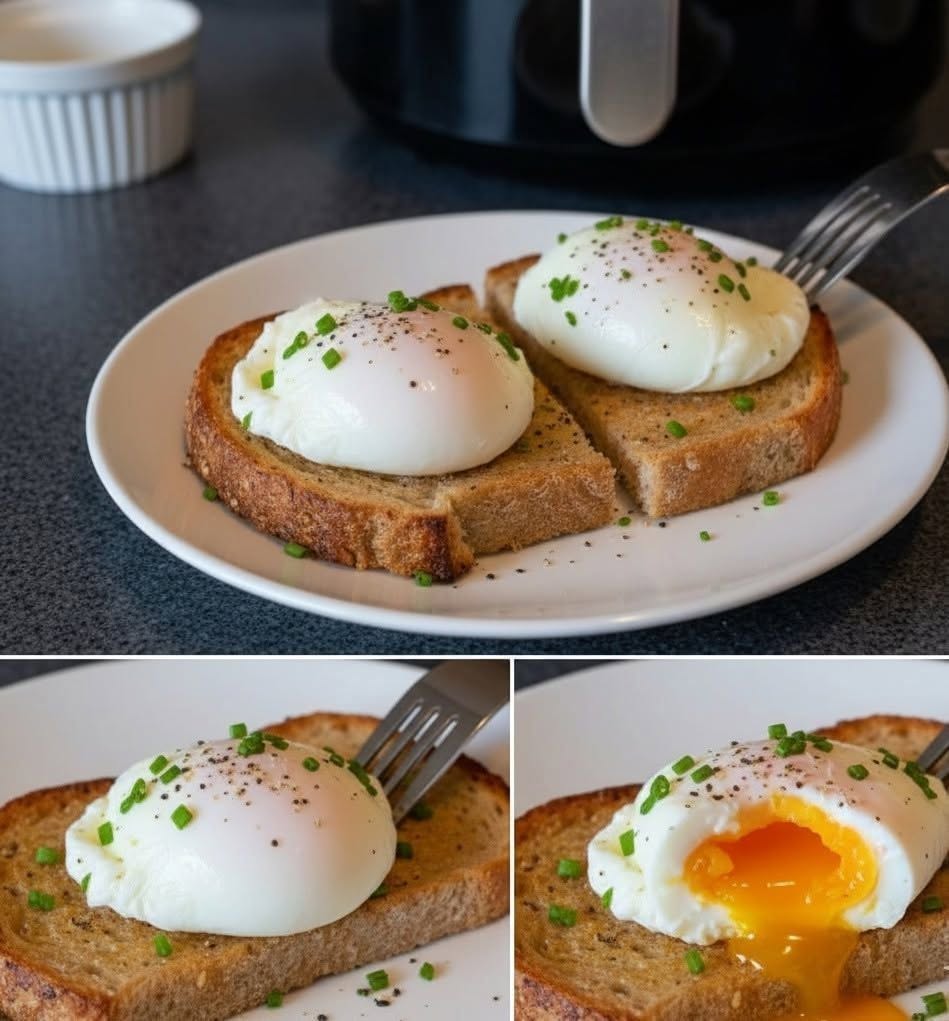
Soft and Runny
The whites are fully set with no clear liquid remaining, while the yolk feels soft when gently touched with a spoon.
Medium
The whites are firm, and the yolk has started to thicken but still flows slowly when cut.
Firm
Both the whites and yolks are completely cooked. If you enjoy fully cooked eggs, simply leave them in the air fryer a little longer.
Helpful Tips That Work for Me
Over time, I’ve discovered a few simple habits that make this recipe even more reliable.
Lightly Grease the Ramekins
A quick coating of olive oil spray or avocado oil spray helps the eggs release much more easily.
Use Room-Temperature Water
There’s no need to boil the water first. Room-temperature water works well and keeps the preparation simple.
Keep the Eggs Covered with Water
Making sure each egg is fully submerged helps the whites cook gently and prevents dry or crispy edges.
Avoid Overcrowding
If my air fryer basket feels crowded, I cook fewer eggs at one time. Good air circulation helps produce more even results.
Handle the Ramekins Carefully
Since they contain hot water, I always move them slowly when placing them into or removing them from the air fryer.
Small Adjustments for Different Air Fryers
No two air fryers cook exactly the same. Even models with similar settings can produce slightly different results.
Several factors can influence cooking time, including:
- The size of the eggs
- Whether the eggs are cold or at room temperature
- The thickness of the ramekins
- The amount of water used
- The size and power of the air fryer
Because of these differences, I always recommend treating the first batch as a trial run. After that, it’s easy to adjust the cooking time by a minute or so until the eggs come out exactly the way you prefer.
Common Mistakes to Avoid
Although this recipe is simple, a few small mistakes can affect the final texture.
Not Adding Enough Water
If the eggs are not fully surrounded by water, parts of the whites may become slightly dry instead of staying soft.
Overcooking
Even one extra minute can make the yolks firmer than expected. I prefer checking the eggs early rather than waiting too long.
Skipping the Release Step
Running a spoon around the edge of the ramekin helps prevent the egg from sticking and makes transferring much easier.
Pouring Too Quickly
When draining the water, I pour slowly so the egg stays together and doesn’t break apart.
My Favorite Ways to Serve Air Fryer Poached Eggs
These poached eggs pair well with many breakfast and brunch dishes.
One of my favorite ways to enjoy them is on warm buttered toast with a sprinkle of black pepper. The soft yolk becomes a rich sauce that soaks into the bread.
They also taste wonderful on avocado toast. The creamy avocado and tender egg make a satisfying combination that’s simple enough for busy mornings.
For a heartier breakfast, I serve them alongside crispy bacon and toasted bread. Fresh fruit on the side makes the meal feel complete.
Poached eggs are also delicious over sautéed vegetables. Spinach, mushrooms, asparagus, or tomatoes all pair beautifully with the soft yolk.
Sometimes I place one on top of a fresh salad or a grain bowl to add extra protein and richness without much extra effort.
Final Thoughts
This air fryer method has completely changed the way I prepare poached eggs at home. It removes many of the challenges of traditional poaching while still producing tender whites and beautifully soft yolks.
With only a few simple ingredients and everyday kitchen tools, it’s possible to make a breakfast that looks impressive without requiring complicated techniques. After making this recipe a couple of times, adjusting the cooking time for your own air fryer becomes easy.
Whether served on toast, alongside breakfast favorites, or added to a fresh meal, these air fryer poached eggs are an easy recipe that I enjoy making again and again.
Recipe card
Air Fryer Poached Eggs
These Air Fryer Poached Eggs are an easy way to enjoy perfectly cooked poached eggs without using the traditional stovetop method. The egg whites turn tender while the yolks stay deliciously soft and runny. Using ramekins makes the process simple, making this recipe ideal for a quick breakfast or a relaxed weekend brunch.
2
servings5
minutes8
minutes144- 149
kcal13
minutesIngredients
1 light coating Olive oil spray or avocado oil spray
2 pcs fresh eggs
as needed water water
to taste salt
to taste black pepper
Directions
- Preheat the air fryer according to your air fryer model.
- Lightly coat two 4-ounce ramekins with olive oil spray or avocado oil spray.
- Fill each ramekin with enough room-temperature water to completely cover one egg.
- Carefully crack one large egg into each ramekin.
- Place the ramekins into the preheated air fryer basket, keeping them level to avoid spilling the water.
- Air fry for about 6 minutes
- Carefully remove the basket and use a teaspoon or a small silicone spatula to gently loosen the egg from the sides of each ramekin.
- If the egg whites are not fully set, return the ramekins to the air fryer and cook for 1 to 2 additional minutes checking frequently.
- Remove the ramekins from the air fryer using oven mitts.
- Carefully pour each ramekin into a small strainer to drain away the excess water
- Transfer the poached eggs to a serving plate
- Season with salt and black pepper before serving immediately.
Notes
- Cooking time may vary depending on the air fryer model, egg size, ramekin material, and starting temperature of the eggs.
- Room-temperature water works well and does not need to be heated beforehand.
- Keeping the eggs fully submerged in water helps produce tender whites
- Check the eggs a little early since they continue cooking briefly after being removed from the air fryer.
- If making this recipe for the first time, prepare one or two eggs first to determine the ideal cooking time for your air fryer.
- Avoid overcrowding the air fryer basket to allow proper air circulation.
- Serve immediately for the best texture and a perfectly soft yolk.
Nutrition Facts
- Serving Size: 2 g
- Total number of serves: 2
- Calories: 144kcal
- Fat: 9.6g
- Saturated Fat: 3.2g
- Trans Fat: 0g
- Polyunsaturated Fat: 1.4g
- Monounsaturated Fat: 3.6g
- Cholesterol: 372mg
- Sodium: 140mg
- Potassium: 126mg
- Carbohydrates: 0.8g
- Fiber: 0g
- Sugar: 0.4g
- Protein: 12.6g
- Vitamin A: 160mcg
- Calcium: 56mg
- Iron: 1.8mg
- Vitamin D: 2.2mcg